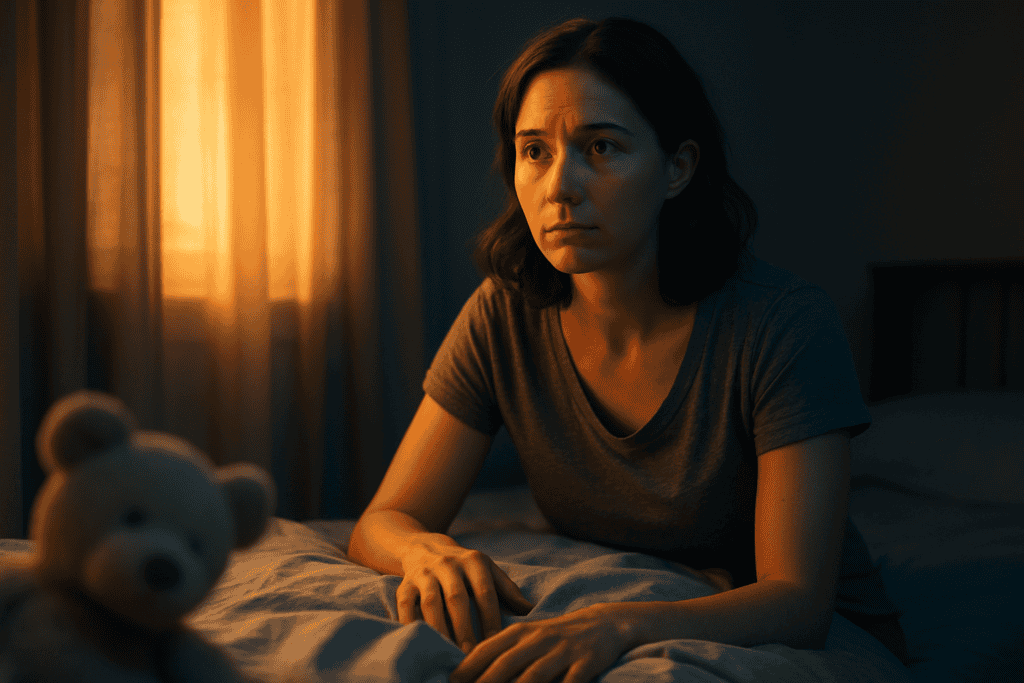
When a phase is just a phase, parents often feel caught between waiting patiently and worrying they’re missing something important. For example, your four-year-old suddenly refuses to sleep alone after months of independent bedtimes. Your seven-year-old melts down over homework that used to be manageable. Your toddler bites at daycare three days in a row. In each case, you’re left asking the same question: when a phase is just a phase, and when does it signal something deeper that needs professional attention?
This question sits at the heart of parenting uncertainty. Most child behavior phases are temporary — developmental detours that resolve on their own with time, consistency, and patience. But some behaviors are early signals of anxiety, sensory processing differences, learning challenges, or social struggles that benefit from early intervention. Understanding the difference isn’t about becoming a diagnostician; it’s about knowing what to watch for and when to trust your instincts as part of our broader guide to child development.
Understanding when a phase is just a phase becomes easier when you stop focusing on the behavior itself and start paying attention to intensity, duration, and whether your child still seems like themselves underneath the struggle.
The Three-Week Window
Key Insight: Most true developmental phases resolve or show significant improvement within three weeks of consistent response — but only if the behavior isn’t being reinforced by secondary gain.
Secondary gain is when a behavior persists because it’s solving a problem for the child, even unconsciously. A bedtime refusal might start as a phase but continue because it guarantees 45 minutes of parent attention. A homework meltdown might persist because it reliably gets the child out of the task. When you remove the secondary gain and the behavior still doesn’t budge after three weeks, that’s your signal to look deeper.
- Behavior appears suddenly with no obvious trigger
- Intensity or frequency escalates despite consistent response
- Behavior crosses multiple contexts (home, school, grandparents’ house)
- Child seems distressed by their own behavior or asks for help controlling it
Track the behavior for three weeks with the same response strategy before deciding whether to escalate your concern. If it’s a true phase, you’ll see softening by week two.
What Makes a Behavior a Phase
When a phase is just a phase, it follows predictable patterns rooted in normal child development. According to CDC developmental guidelines, children move through periods of equilibrium and disequilibrium as they master new skills. A three-year-old who suddenly becomes clingy after months of independence may be processing new preschool social dynamics. A nine-year-old who argues about everything might be experimenting with abstract reasoning and testing logical boundaries.
True developmental phases share common traits. They emerge around predictable ages or transitions — starting school, a new sibling’s arrival, a family move. They’re inconsistent in intensity; your child has good days and hard days, not a relentless march in one direction. Most importantly, when a phase is just a phase, the child remains recognizable. You see glimpses of their usual self between the hard moments. Their core temperament, sleep patterns, appetite, and ability to recover from upset stay relatively stable.
Classic child behavior phases include the boundary-testing of four-year-olds, the clinginess that appears right before major developmental leaps, the food rigidity common in toddlers and again around age seven, and the emotional intensity that marks the transition from toddler to preschooler. Each typically lasts two to six weeks and responds to consistency.
Red Flags That Suggest Something More

When a phase is just a phase, it bends under the weight of time and consistent parenting. When it’s something more, the behavior entrenches or escalates despite your best efforts. Duration is your first clue. Phases lasting beyond six to eight weeks without any softening deserve a closer look, especially if the behavior is interfering with daily functioning — school refusal, persistent aggression, withdrawn behavior, or self-harm.
Intensity matters as much as duration. If the behavior feels disproportionate to the trigger — a full-body tantrum over a broken cracker at age six, or sobbing for an hour because a friend didn’t wave back at age nine — you’re seeing a child who may be overwhelmed by something beyond the immediate moment. UNICEF’s parenting guidance on child development emphasizes watching for behaviors that seem to control the child rather than behaviors the child is experimenting with.
Context spread is another differentiator. When a phase is just a phase, it often shows up in one or two settings, usually at home where the child feels safest to test boundaries. But when you’re hearing the same concerns from teachers, coaches, grandparents, and caregivers — and the descriptions align — the behavior is no longer situational. It’s following your child across environments, which suggests an internal struggle rather than a contextual reaction.
Physical symptoms are the clearest red flag. Persistent sleep disruption lasting more than a month, appetite changes that lead to weight loss or gain, new toileting regression after months of stability, unexplained stomachaches or headaches before school, or repetitive behaviors like hair-pulling or skin-picking all warrant professional evaluation. These are the body’s ways of signaling distress when a child doesn’t yet have the language to name what they’re feeling.
The Observation Framework That Actually Helps

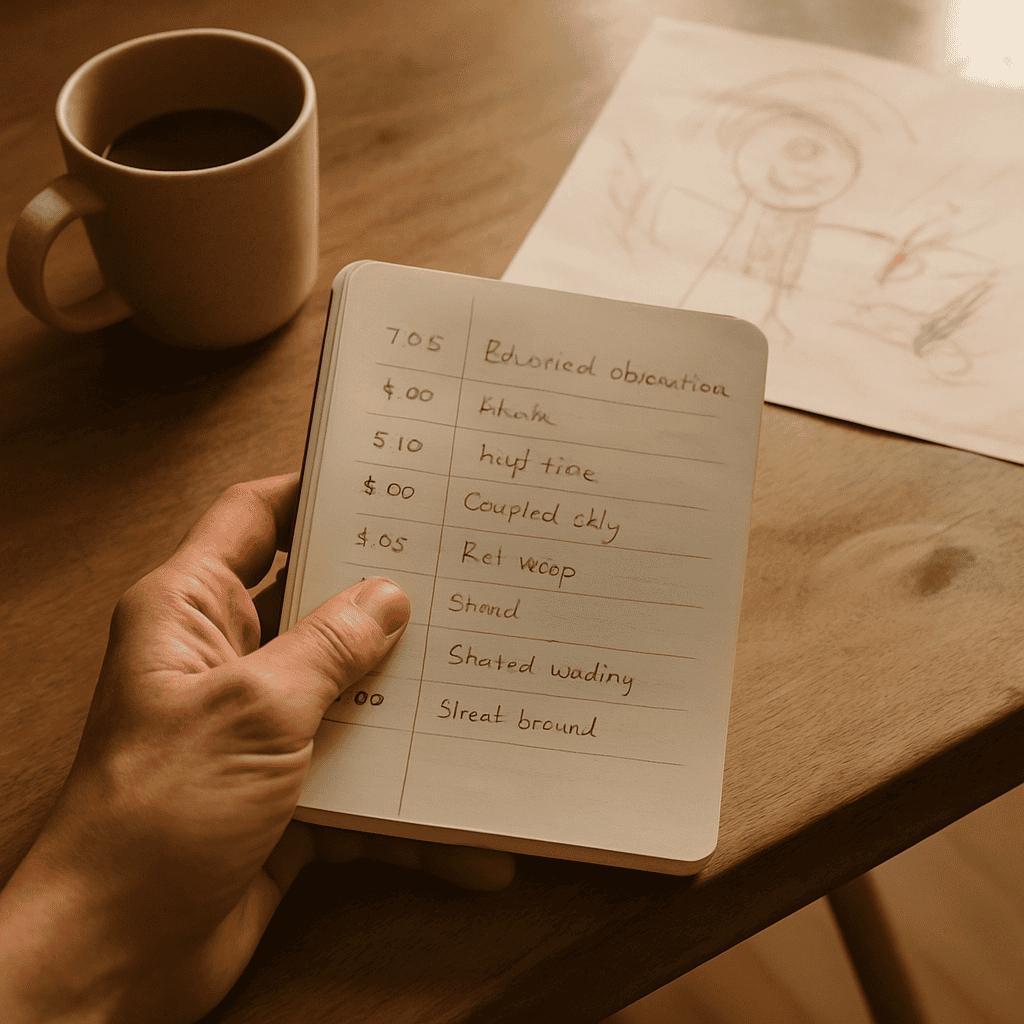
Parents trying to figure out when a phase is just a phase often discover that tracking patterns over several weeks provides more clarity than isolated incidents ever could. Instead of Googling symptoms at midnight, build a simple observation log. When a phase is just a phase, tracking reveals patterns that reassure you — the behavior clusters around tired days, hunger, transitions, or overstimulation. When it’s something more, the log reveals that the behavior is untethered from obvious triggers or that triggers you thought were relevant aren’t actually predictive.
For three weeks, jot down four data points each time the concerning behavior appears: what happened immediately before (the antecedent), what the behavior looked like (specific and observable — “threw book across room” not “had a meltdown”), what you did in response (the consequence), and how long it took the child to regulate afterward. This is the basic ABC framework used by behavioral therapists, and it’s powerful because it reveals function.
Most parents discover one of two things. Either the behavior has a clear pattern — it happens every day between 4 and 6 p.m. when blood sugar is low and the child is transitioning from school mode to home mode — or it doesn’t. Patterned behavior responds to environmental adjustment. Unpatterned behavior, or behavior that worsens despite removing obvious triggers, usually has a deeper root. When a phase is just a phase, your observation log will show improvement by week two as you adjust your responses. When it’s not, the log becomes documentation you can bring to a pediatrician or therapist to speed up assessment.
Pay special attention to recovery time. A child in a phase can be soothed, distracted, or redirected within 10 to 20 minutes. A child struggling with something more may take 45 minutes to an hour to fully calm, or may escalate further when you try to comfort them. Recovery time is one of the most reliable differentiators between typical stress responses and anxiety or sensory overwhelm.
When to Seek Professional Input
You don’t need a diagnosis to ask for help, and asking for help doesn’t mean you’ve failed as a parent. When a phase is just a phase, you’ll likely see resolution before you even get off the pediatrician’s waitlist. But if the behavior persists or you’re losing sleep over it, that’s reason enough to make the call.
Start with your pediatrician for three reasons: they have your child’s developmental history, they can rule out medical causes like sleep apnea or vitamin deficiencies that mimic behavioral issues, and they can refer you to specialists if needed. Come to the appointment with your three-week observation log, a list of specific behaviors with frequencies (not “he’s always angry” but “threw objects four times this week, all during homework”), and a summary of what you’ve already tried.
If your pediatrician recommends watchful waiting but your gut says otherwise, trust your instinct. According to CHOC’s guidance on developmental milestones, parents are usually the first to notice when something is off, often months before behaviors meet clinical thresholds. You can pursue an evaluation with a child psychologist, occupational therapist, or developmental behavioral pediatrician independently. Early intervention for anxiety, ADHD, sensory processing differences, or learning challenges is most effective when it starts early — waiting for a problem to become undeniable often means waiting until a child has already internalized shame or developed avoidance patterns.
Some behaviors warrant immediate professional consultation regardless of duration: talk of self-harm or suicide at any age, hurting others or animals deliberately and repeatedly, extreme withdrawal or refusal to speak in previously verbal children, significant regression in multiple areas (toileting, language, social skills), or behaviors that put the child or others at physical risk. When a phase is just a phase, it never includes these.
Don’t discount the value of a single consultation even if you’re not sure the behavior warrants ongoing therapy. Many pediatric therapists offer one-time parent coaching sessions where you describe what’s happening and they help you determine whether it’s within the normal range, something to monitor, or something to address now. That single session often provides more relief than six weeks of anxious observation. Ultimately, recognizing when a phase is just a phase is less about predicting the future and more about noticing whether your child is adapting, recovering, and moving forward over time.
Frequently Asked Questions

Lena Carter is a contributing writer for The Daily Well, focusing on practical routines, family systems, and everyday strategies for modern households. With experience managing the demands of a busy home and balancing the realities of modern family life, her work centers on simple, sustainable approaches that reduce stress and create more stability in the day-to-day.
Her writing explores parenting routines, household organization, emotional overwhelm, and the small systems that help families function more smoothly in real life — not just in theory.



