
When your child prefers one-on-one play to group chaos, or needs an hour of quiet time after school, it’s easy to worry they’re missing out on social skills for introverted kids. But introversion is a temperament, not a deficit. The challenge isn’t teaching an introverted child to act extroverted — it’s equipping them with social skills for introverted kids that honor how they recharge and connect, while building genuine competence in navigating peer relationships. That distinction matters. According to research from Child Mind Institute on teaching social skills at home, social skill development must respect a child’s natural temperament to be effective long-term.
Our broader guide to child development explores how temperament shapes social growth across ages. This article focuses specifically on social skills for introverted kids — the practical strategies that work when your child gravitates toward depth over breadth in friendships, and when large groups feel draining rather than energizing.
The Energy Accounting Model
Key Insight: Introverted kids aren’t avoiding social interaction — they’re managing a different energy budget than extroverted peers, where social time is an expenditure that requires recovery, not a recharge itself.
This isn’t shyness or social anxiety (though those can co-exist). It’s a neurobiological difference in how stimulation affects arousal levels. Introverted children process social information deeply, which is cognitively costly. When we frame social skills for introverted kids through energy accounting, we stop pushing for “more” and start optimizing for sustainable engagement.
- Introverted kids may avoid group play not because they lack skills, but because the energy cost feels too high for uncertain payoff
- They often excel in one-on-one contexts where depth of connection justifies the energy expenditure
- Social skill gaps emerge when energy management fails — overstimulation leads to withdrawal, which limits practice opportunities
- Teaching social skills for introverted kids means teaching both the skills and the energy regulation that makes practice sustainable
The practical takeaway: your child needs social skills and energy literacy — knowing when to engage, how to recover, and how to advocate for their needs without shame.
Assess Your Child’s Actual Social Skills for Introverted Kids Gaps
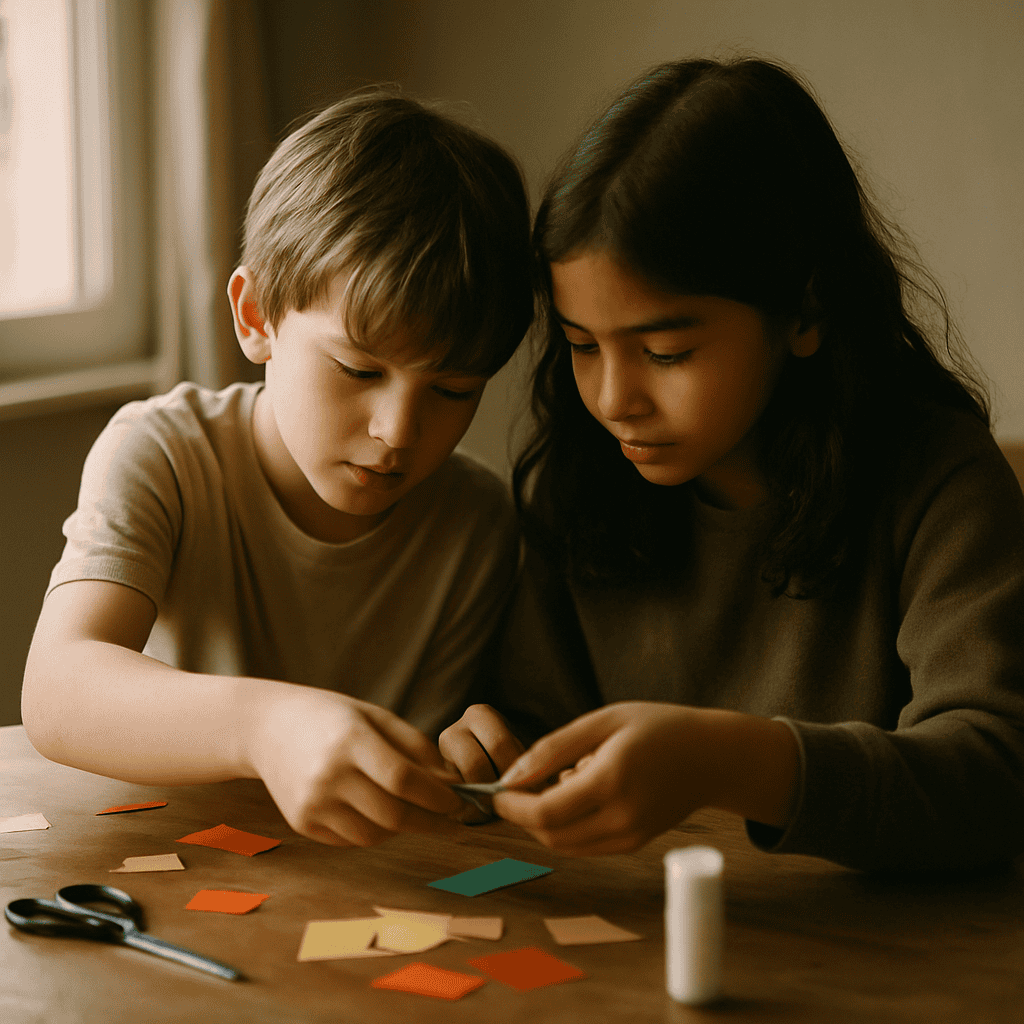
Before designing interventions, separate temperament from skill deficit. Introverted children who prefer solitary play may have perfectly adequate social skills for introverted kids — they simply choose not to deploy them constantly. Skill gaps show up differently: your child wants to join but doesn’t know how, misreads social cues consistently, or experiences frequent peer conflict they can’t navigate.
Observe in low-stakes contexts first. Can your child initiate conversation with a familiar adult? Do they make eye contact when calm? Can they take turns in a board game at home? If yes, the skills exist — the challenge may be scaling them to higher-stimulation peer environments. If no, you’re looking at foundational skill-building, not just temperament accommodation. The Child Mind Institute’s overview of friends and socializing offers a developmental framework for assessing where skills should be by age.
Ask your child directly what feels hard. Introverted kids are often highly self-aware. They might say “I don’t know what to talk about” (conversational skills gap) or “I just don’t want to” (preference, not deficit). The former needs teaching. The latter needs acceptance and occasional gentle stretching, not remediation.
Build Conversational Competence Through Scripted Practice
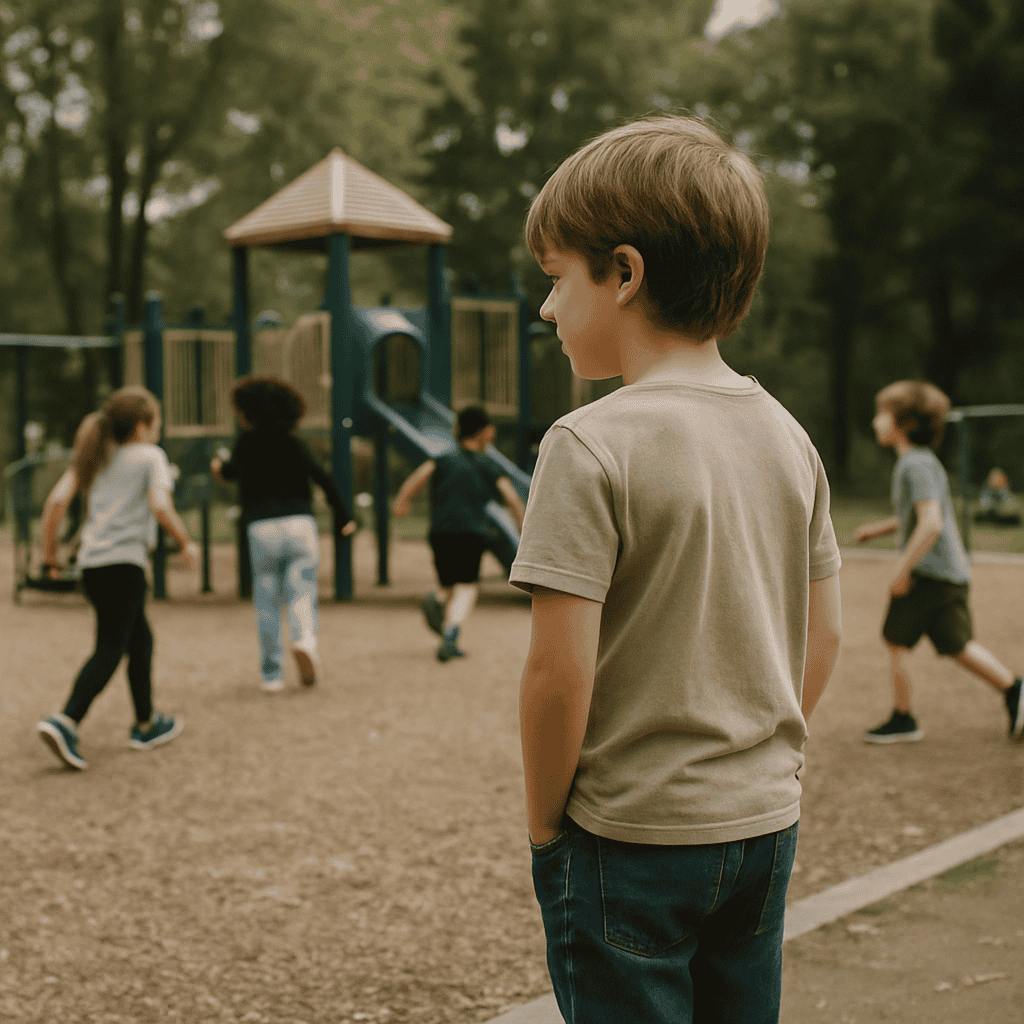
Social skills for introverted kids often falter at initiation — not because introverted children are incapable, but because the cognitive load of improvising conversation in a stimulating environment is high. Reduce load by teaching scripts. This isn’t about being robotic; it’s about giving your child a reliable starting point so they can focus on reading the other person rather than generating content from scratch.
Start with three openers: a question (“What are you building?”), an observation (“I like your shoes”), and an offer (“Want to see my card collection?”). Practice at home until they’re automatic. Then practice in parallel play contexts — playground, library, waiting room — where there’s no pressure to sustain interaction. Your child tries an opener, observes what happens, disengages if needed. Low stakes, high repetition.
For shy kid social skills specifically, the goal is desensitization to initiation discomfort, not personality change. Each attempt, regardless of outcome, is data. “I said hi and she ignored me” is useful information, not failure. Over time, your child builds both a repertoire of openers and a tolerance for the vulnerability of reaching out. When they find another quiet child friendships-oriented peer, the depth they offer becomes an asset.
Create Controlled Social Exposure That Respects Energy Limits

Introverted kids need practice, but flooding them with stimulation backfires. Structure social exposure like strength training: progressive load, adequate recovery. A two-hour playdate with one familiar peer is more valuable than a chaotic birthday party with twenty kids. The former allows your child to practice social skills for introverted kids in an environment where they can actually think; the latter often ends in shutdown.
Set a predictable rhythm. One structured peer interaction per week — a recurring playdate, a small class, a shared activity. Give your child advance notice and a clear end time. Knowing “this ends at 4:00” reduces the background anxiety that burns energy. After social time, protect recovery: an hour of solo play, reading, or quiet time before dinner. No interrogation about whether they had fun; that’s more social demand.
When your child resists, distinguish between avoidance and legitimate energy depletion. If they’ve had three social events in three days and balk at a fourth, that’s not a social skills gap — that’s a nervous system advocating for rest. Honor it. Conversely, if they haven’t seen a peer in two weeks and resist the first opportunity, gentle encouragement is appropriate. The balance is individual; watch for irritability, sleep disruption, or physical complaints as signs of overscheduling.
Teach Explicit Skills for Group Navigation and Exit Strategies
Group settings are where social skills for introverted kids break down most often. The stimulation is high, the social cues are complex, and introverted children often lack strategies for managing both. Teach entry, maintenance, and exit skills as distinct competencies.
Entry: “Hover and observe, then mirror.” Your child watches the group for 30 seconds, identifies what they’re doing, then joins by doing the same thing nearby. “Can I play?” is optional; parallel participation often works better for introverted kids. Maintenance: “Contribute one thing every few minutes.” They don’t need to dominate conversation; one comment or idea per play cycle is sufficient to remain socially present. Exit: “I’m going to take a break” or “I’m going to get water.” Teach your child they can leave without asking permission or justifying. Exit strategies prevent the shutdown that happens when introverted kids push past their window.
Role-play these at home. Set up scenarios with siblings or parents: joining a block-building group, navigating a playground game, excusing yourself from a loud activity. Practice until the scripts are automatic. Then help your child identify their internal cues — tight chest, zoning out, irritability — that signal it’s time to exit before shutdown. According to guidance from StopBullying.gov on what kids can do, self-advocacy skills protect introverted children from peer pressure and social overwhelm.
Reframe Depth Over Breadth as Social Competence
Introverted children often form fewer, deeper friendships. Schools and parents sometimes misread this as poor social skills for introverted kids, when it’s actually sophisticated social selectivity. Your child isn’t failing at friendships; they’re prioritizing quality over quantity. Affirm this explicitly.
“You have one really close friend. That’s exactly how some people — including lots of successful adults — prefer to do friendships.” Name introverted role models: researchers, writers, engineers, artists. Let your child see that their temperament is a valid way to be social, not a rough draft of extroversion. Our guide on what to do when your child has no friends distinguishes isolation from intentional selectivity — the former needs intervention, the latter needs affirmation.
Support depth-building skills: active listening, remembering details about friends, planning one-on-one time. Introverted kids excel here when they’re not burning energy on surface-level group management. Encourage your child to invite one friend for a focused activity — building a project, baking, a nature walk. These contexts reward the sustained attention and conversational depth introverted children offer, building confidence in their social approach rather than trying to retrofit them for extroverted peer culture.
Frequently Asked Questions

Lena Carter is a contributing writer for The Daily Well, focusing on practical routines, family systems, and everyday strategies for modern households. With experience managing the demands of a busy home and balancing the realities of modern family life, her work centers on simple, sustainable approaches that reduce stress and create more stability in the day-to-day.
Her writing explores parenting routines, household organization, emotional overwhelm, and the small systems that help families function more smoothly in real life — not just in theory.


