
Every parent has watched their child spiral over something that feels minor — a lost toy, a new teacher, the dark hallway at bedtime. The question that follows is always the same: Is this normal, or is this something more? Understanding the signs of anxiety in kids versus developmentally appropriate worry is one of the most difficult distinctions parents are asked to make, and the stakes feel impossibly high.
The truth is that some worry is not only normal but necessary — it’s how children learn to navigate risk, build resilience, and develop coping skills. But when worry becomes pervasive, when it begins to interfere with daily functioning, or when it triggers physical symptoms that don’t resolve, parents need a clearer framework. This article walks through the observable signs of anxiety in kids, how they differ from typical developmental fears, and when to seek professional help. Part of understanding these patterns is explored more deeply in our broader guide to child development, where emotional regulation sits at the center of healthy growth.
The Interference Threshold
Key Insight: The difference between normal worry and clinical anxiety isn’t the presence of fear — it’s whether that fear stops your child from doing things they want or need to do.
Anxiety becomes clinically significant when it begins to interfere with daily functioning: school attendance, peer relationships, sleep, family routines, or age-appropriate independence. A child who refuses to go to a sleepover once isn’t showing signs of anxiety in kids; a child who stops accepting all invitations, begins avoiding friends, and can’t sleep the night before a party likely is. The mechanism here is avoidance — anxiety feeds on what we avoid, and each avoided experience teaches the brain that the fear was justified.
- Refusal to attend school or frequent requests to leave early
- Withdrawal from previously enjoyed activities or friendships
- Physical complaints (stomachaches, headaches) that appear before specific events and resolve when the event is canceled
- Sleep disruption that persists beyond a few nights and correlates with specific worries
If your child’s worry is shrinking their world rather than helping them navigate it, that’s the threshold where professional input becomes necessary.
Developmental Worry Is Specific and Time-Limited
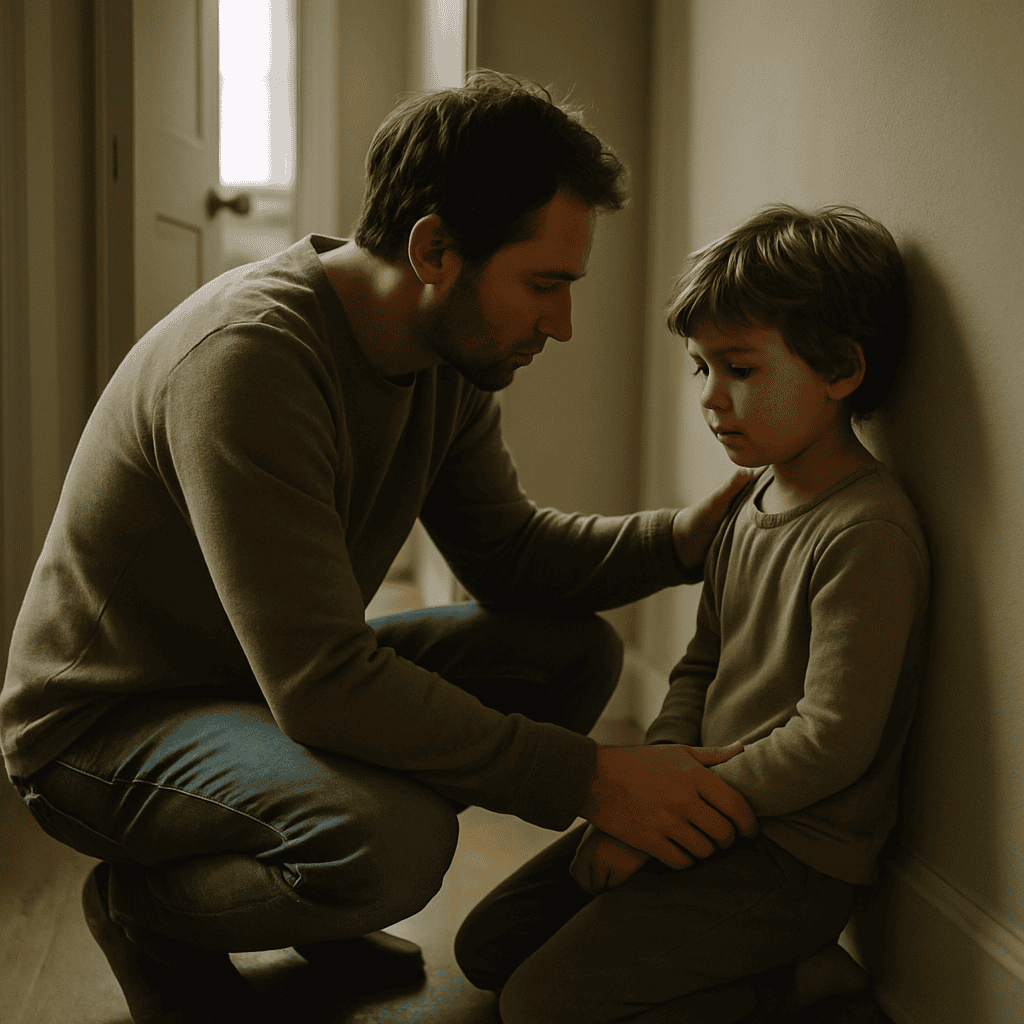
Normal childhood worry has a predictable rhythm. Toddlers fear separation; preschoolers fear monsters and the dark; school-age kids worry about performance, fitting in, and fairness. These fears usually resolve within weeks, respond to reassurance, and don’t prevent the child from engaging in daily life. A five-year-old who needs a nightlight and a parent present at bedtime is showing age-appropriate fear. A five-year-old who refuses to sleep in their own room for months, wakes multiple times nightly in distress, and begins avoiding other situations that feel “dark” is showing signs of anxiety in kids that warrant closer attention.
According to the Child Mind Institute’s guidance on childhood anxiety, the key distinction is whether the fear is proportional to the actual risk and whether it fades with exposure and support. Developmentally normal fears are specific, predictable, and manageable. Anxiety, by contrast, is often vague (“something bad will happen”), persistent, and resistant to logic or reassurance. When a child can’t articulate what they’re afraid of, or when the fear shifts from one trigger to another without resolution, that’s a red flag.
Watch for worry that expands rather than contracts. A child afraid of dogs after a bark may avoid that one dog for a few days — that’s normal. A child who begins avoiding parks, friends’ houses, and walks around the neighborhood because a dog might be present is demonstrating childhood anxiety symptoms that are generalizing beyond the original trigger.
Understanding the signs of anxiety in kids starts with recognizing that childhood anxiety symptoms rarely look the way adults expect. Many children show distress through stomachaches, irritability, perfectionism, or avoidance long before they ever say they feel anxious.
Physical Complaints That Follow a Pattern

Parents tracking the signs of anxiety in kids should pay close attention to patterns: do childhood anxiety symptoms appear before school, social events, bedtime, or other predictable stressors?
One of the most reliable signs of anxiety in kids is the appearance of physical symptoms that are real, distressing, and yet don’t have a clear medical cause. Stomachaches before school, headaches before tests, nausea before social events — these are the body’s way of signaling distress when the child may not yet have the language to name what they’re feeling. The critical pattern to notice is timing: Does the symptom appear before a specific type of event? Does it resolve when the event is avoided or canceled?
According to research highlighted by the Child Mind Institute on self-regulation in children, physical manifestations of anxiety often include rapid heartbeat, shallow breathing, muscle tension, sweating, dizziness, and gastrointestinal distress. In younger children especially, these sensations can be terrifying because they don’t understand what’s happening — they only know their body feels wrong. This is where co-regulation becomes essential: a parent who remains calm, names the sensation (“Your heart is beating fast because your body thinks there’s danger”), and models slow breathing can help the child’s nervous system begin to settle.
What distinguishes anxiety-driven physical complaints from other health concerns is predictability and relief through avoidance. If your child’s stomachache vanishes the moment you agree they can stay home from school, that’s not dismissing their pain — it’s recognizing that the pain is real and driven by emotional distress. The signs of anxiety in kids often show up in the body before they show up in words, and parents who track these patterns can intervene earlier and more effectively.
Excessive Reassurance-Seeking and Rigid Routines
Children with anxiety often develop coping mechanisms that look like control: asking the same questions over and over, needing routines to be exactly the same, insisting on specific rituals before transitions, or demanding repeated confirmation that everything will be okay. While some routine is healthy and expected (especially in toddlers and preschoolers), anxiety-driven rigidity escalates over time rather than fading. The child becomes more distressed when routines are disrupted, and the list of “must-haves” grows longer rather than shorter.
A helpful lens here is whether the behavior is serving development or limiting it. A preschooler who insists on the same bedtime story for a month is finding comfort in predictability — that’s adaptive. A seven-year-old who can’t go to school unless their backpack is packed in a specific order, their shoes are tied in a specific sequence, and their parent says a specific phrase at drop-off is showing signs of anxiety in kids that are beginning to control daily functioning. Understanding these patterns is closely related to strategies discussed in articles like tantrum versus meltdown, where the loss of control has different roots.
The Child Mind Institute’s overview of co-regulation emphasizes that anxious children are often seeking external regulation because their internal system feels overwhelmed. Reassurance-seeking is the child’s way of borrowing calm from the parent. The problem is that each reassurance temporarily lowers distress but strengthens the belief that reassurance is necessary — the child never learns that they can tolerate uncertainty. Parents often find themselves trapped in a cycle where refusing reassurance triggers a meltdown, but providing it perpetuates the dependency.
Avoidance, Withdrawal, and the Shrinking World
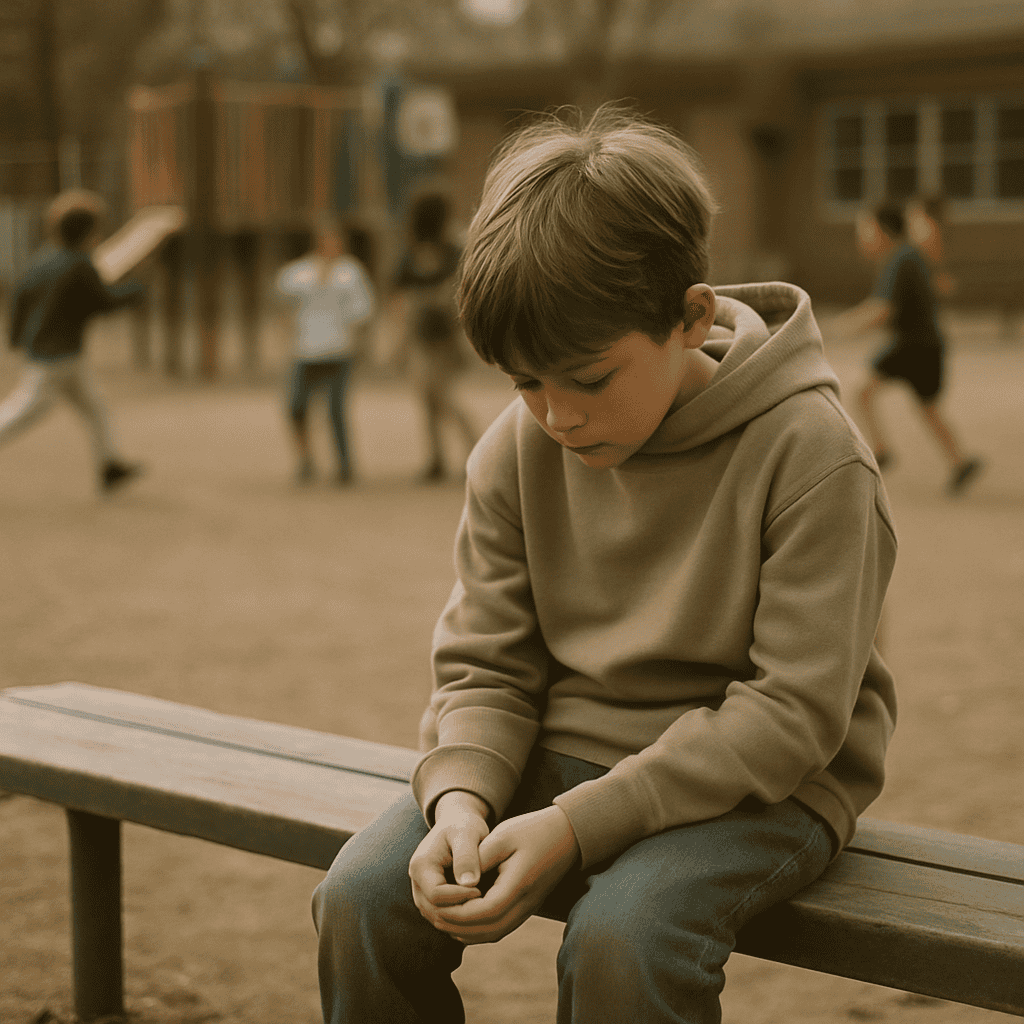
Perhaps the most concerning pattern among signs of anxiety in kids is avoidance that expands over time. A child who skips one birthday party isn’t showing anxiety. A child who stops accepting invitations, begins eating alone at lunch, quits an activity they previously loved, or starts refusing to leave the house on weekends is demonstrating avoidance that is narrowing their world. Anxiety disorders thrive on avoidance — each avoided situation reinforces the brain’s alarm system and makes the next exposure feel even more threatening.
Watch for changes in social behavior: a child who suddenly has “no friends,” stops talking about school, or resists playdates they used to enjoy may be withdrawing not out of preference but out of fear. Similarly, children who were once independent — walking to a neighbor’s house, sleeping at a friend’s, trying new foods — and who suddenly refuse these activities are often signaling distress they can’t yet articulate. This shift is often subtle; parents describe it as their child “becoming more cautious” or “growing out of” certain activities. But when multiple areas of functioning contract simultaneously, that’s a red flag worth investigating.
For families navigating these dynamics, understanding related transitions like the toddler to preschooler transition can clarify when withdrawal is part of normal development versus a sign of emerging anxiety. The difference often lies in whether the child is pulling back to regroup or pulling back because the world feels unsafe.
When avoidance begins to dictate the family’s schedule — when parents stop making plans because they know their child will refuse, when siblings miss activities because one child can’t participate, when the household shrinks around one child’s fears — that’s the point where professional intervention becomes necessary. Anxiety left unaddressed doesn’t plateau; it escalates. Early intervention, by contrast, is remarkably effective, and most children respond well to evidence-based therapies like cognitive behavioral therapy (CBT) when started early.
When Worry Disrupts Sleep, School, or Social Life
The clearest threshold for seeking professional help is when signs of anxiety in kids begin to interfere with one or more core areas of functioning: sleep, school, or social relationships. A child who can’t fall asleep because their mind is racing with worries, who wakes frequently in distress, or who resists bedtime for hours each night is experiencing anxiety that has crossed into clinical territory. Sleep disruption is both a symptom and a contributor — anxious kids sleep poorly, and poor sleep worsens anxiety, creating a feedback loop that’s difficult to break without intervention.
School refusal or school avoidance is another major red flag. This isn’t occasional reluctance on a Monday morning; this is persistent, intense distress at the prospect of attending school, often accompanied by physical symptoms, tearfulness, or aggression when parents insist. Some children will attend but spend the day in the nurse’s office, repeatedly asking to call home, or experiencing panic symptoms in the classroom. School avoidance can escalate quickly, and the longer a child stays home, the harder re-entry becomes. Early, consistent intervention — often involving collaboration between parents, school counselors, and mental health professionals — is critical.
Social withdrawal is the third pillar. Children are wired for connection, and when that drive diminishes, it’s worth paying attention. A child who stops initiating play, avoids group activities, or describes feeling “different” or “weird” around peers may be struggling with social anxiety. This is distinct from introversion; introverted children may prefer smaller groups or quieter activities, but they still seek and enjoy connection. Anxious children want to connect but feel unable to — the fear of judgment, embarrassment, or rejection becomes paralyzing. Parents often notice this through secondhand comments: a teacher mentions the child eats alone, a coach says they sit out during games, a friend’s parent asks if everything is okay at home.
If your child’s anxiety is affecting sleep, school, or friendships, it’s time to consult a pediatrician or child psychologist. These are not issues that resolve with time alone, and waiting often allows patterns to become more entrenched. Resources like helping a child through a friendship breakup can offer short-term support, but persistent social withdrawal warrants professional assessment.
While occasional worry is developmentally normal, persistent childhood anxiety symptoms that interfere with sleep, friendships, or independence may signal more than everyday stress. Learning the early signs of anxiety in kids can help families seek support before avoidance and fear begin narrowing a child’s world.
The goal isn’t to eliminate all worry — that’s neither possible nor desirable. The goal is to help children learn that they can tolerate discomfort, that most feared outcomes don’t materialize, and that they are capable of coping even when things feel hard. That learning happens through exposure, support, and practice, often with the guidance of a trained therapist. Early intervention doesn’t just treat anxiety; it teaches skills that serve children for life.
Frequently Asked Questions

Lena Carter is a contributing writer for The Daily Well, focusing on practical routines, family systems, and everyday strategies for modern households. With experience managing the demands of a busy home and balancing the realities of modern family life, her work centers on simple, sustainable approaches that reduce stress and create more stability in the day-to-day.
Her writing explores parenting routines, household organization, emotional overwhelm, and the small systems that help families function more smoothly in real life — not just in theory.



