
Your eight-year-old comes home and says her best friend told her they’re not friends anymore. Or your middle schooler stops talking about the kid who used to come over every weekend. The silence feels heavier than any tantrum. Friendship breakups in childhood can be as emotionally disruptive as adult breakups — but kids rarely have the language or framework to process what’s happening. Knowing how to help your child through a friendship breakup means validating the loss, offering practical emotional tools, and guiding them toward healthy next steps without forcing resolution or dismissing the grief.
Most parents underestimate the impact of peer relationship loss or rush to problem-solve before the child has processed the emotional reality. This article walks through the four stages of supporting a child through a friendship ending in our child development hub: recognizing the grief, creating space for processing, teaching emotional regulation skills, and helping them rebuild peer connections when they’re ready.
The Friendship Grief Paradox
Key Insight: Children experience peer rejection and friendship loss with the same neurological intensity as physical pain, but adults often minimize it because the social structure looks less “serious” than adult relationships.
When a friendship ends, a child loses daily rituals, shared identity, emotional safety, and social standing in one event. The grief isn’t just about missing a person — it’s about losing a version of themselves that existed in that relationship. Yet most adult responses (“You’ll make new friends!” or “They weren’t a good friend anyway”) skip straight to resolution, leaving the child alone with unprocessed loss.
- The child may not have words for betrayal, exclusion, or ambiguous loss
- Peer relationships shape identity in ways family relationships don’t
- Friendship breakups often lack closure or clear explanations
- The school or social setting forces continued proximity to the lost friend
Effective support starts with naming the loss as real, then building emotional processing skills the child can use now and in future relationship transitions.
Recognize the Friendship Breakup as Legitimate Grief
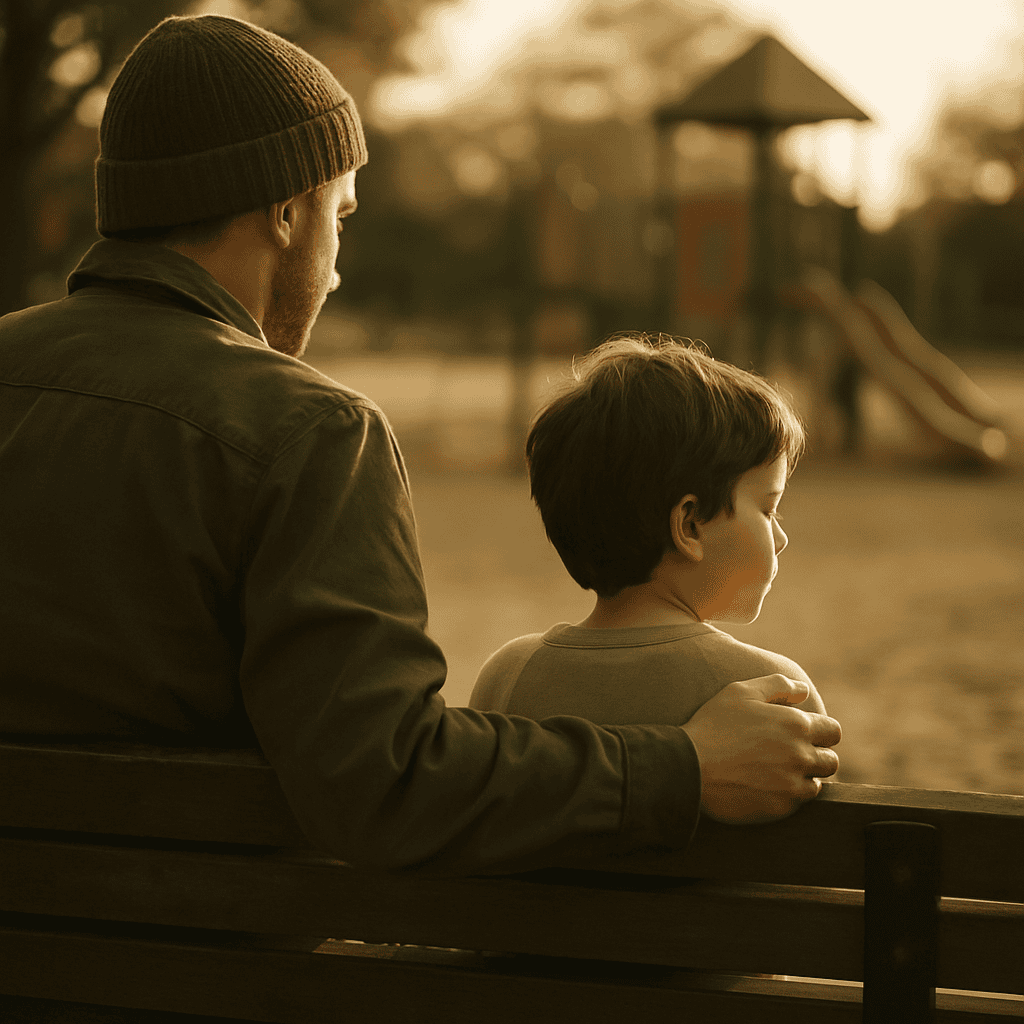
The first step in how to help your child through a friendship breakup is to treat it as a genuine loss, not a minor social hiccup. Child Mind Institute’s guide to friendship breakups notes that children often experience the end of a close friendship with symptoms that mirror bereavement: sleep disruption, appetite changes, irritability, withdrawal, and difficulty concentrating at school.
Resist the urge to minimize. Phrases like “You’re young, you’ll have lots of friends” or “They weren’t nice anyway” signal to your child that their emotional experience is invalid. Instead, name what happened in clear, empathetic language: “It sounds like you and Maya aren’t close anymore, and that’s really hard. You two spent a lot of time together. It makes sense that you’re sad.” This validation doesn’t solve the problem, but it gives the child permission to feel what they’re feeling without shame.
Watch for behavioral changes that signal unprocessed grief: reluctance to go to school, heightened sensitivity to minor conflicts, regressive behaviors, or social withdrawal. These aren’t overreactions — they’re grief responses. Acknowledge them as understandable rather than problematic, and let your child know that feeling sad, angry, or confused after a friendship ending is a normal part of navigating peer relationships.
Create Space for Emotional Processing Without Forcing It
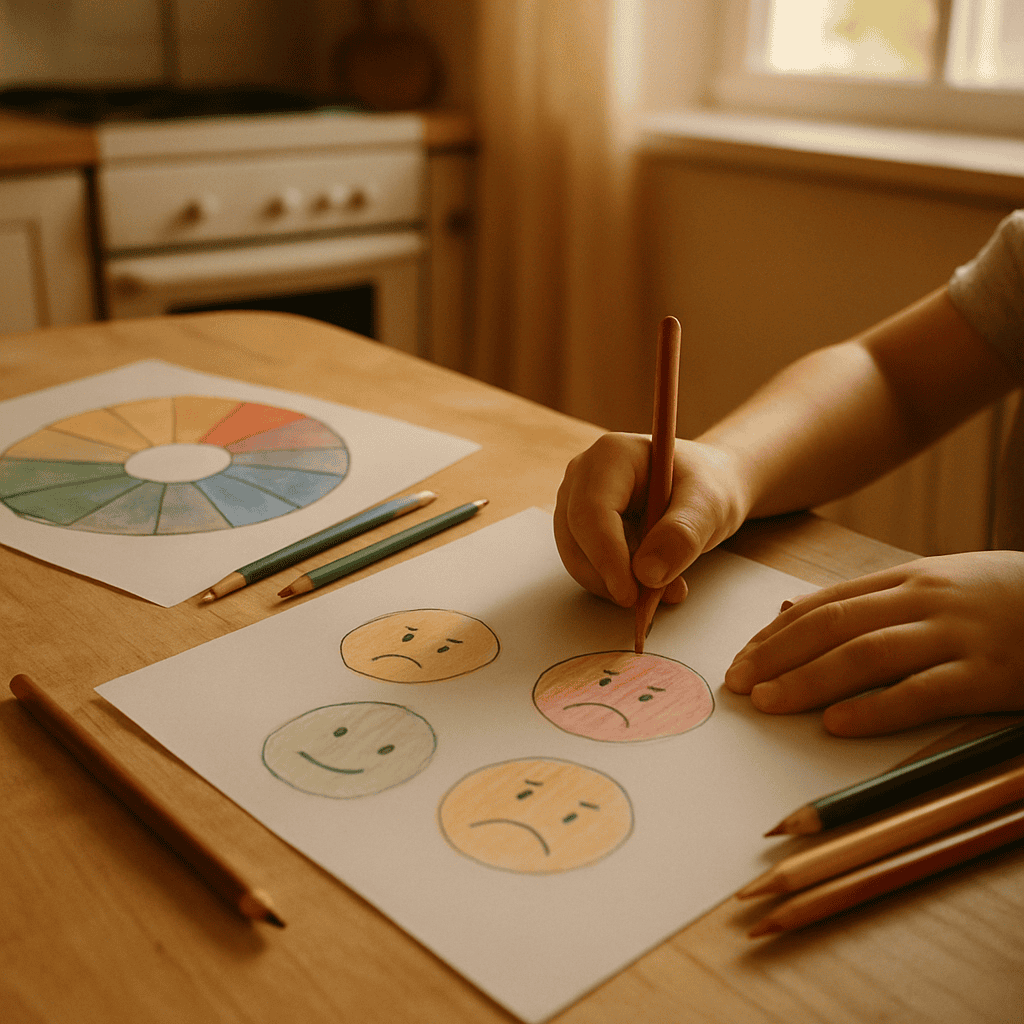
Once you’ve validated the loss, the next step in how to help your child through a friendship breakup is to create low-pressure opportunities for your child to talk — or not talk — about what happened. Some kids need to process out loud; others need quiet time and physical activity before they can articulate feelings. Your job is to make space, not to extract a debrief.
Try “sideways conversations” — talking while doing something side-by-side rather than face-to-face. Car rides, cooking together, shooting hoops, or folding laundry can lower the intensity and make it easier for a child to open up. You might say, “I noticed you haven’t mentioned Alex lately. If you want to talk about it, I’m here. If you don’t, that’s okay too.” This signals availability without pressure.
If your child does share, resist the urge to problem-solve or assign blame. Reflective listening is more useful than advice at this stage. Repeat back what you hear: “So it sounds like you felt left out when they started hanging out with Jordan more, and then when you asked about it, they got mad.” This helps the child clarify their own experience and feel understood. Avoid interrogating details or asking “Why did they do that?” — your child often doesn’t know, and the question can feel like an accusation.
Some children won’t want to talk but will express the loss through play, drawing, or changes in behavior. A child who suddenly wants to rearrange their room or give away toys associated with the lost friendship is processing symbolically. Let them. Emotional processing doesn’t always look like a conversation, and that’s developmentally normal for younger children who lack abstract language for complex emotions.
Teach Emotional Regulation Tools for Friendship Grief
Committing to help your child through a friendship breakup also means equipping them with concrete tools to manage the waves of sadness, anger, or anxiety that will come up unpredictably — often triggered by seeing the ex-friend at school, hearing their name, or encountering a shared memory. These moments are where emotional regulation skills become practical, not theoretical.
Start with naming feelings with precision. Instead of “I’m sad,” help your child differentiate: “I feel betrayed because they told someone my secret” or “I feel lonely because I don’t have anyone to sit with at lunch now.” The more specific the language, the more manageable the feeling becomes. You can use a feelings wheel or list to expand vocabulary, especially for kids who default to “fine” or “bad.”
Teach a simple breathing or grounding technique your child can use in the moment. One effective tool: the “5-4-3-2-1” grounding exercise (name 5 things you see, 4 you can touch, 3 you hear, 2 you smell, 1 you taste). This interrupts rumination and brings attention back to the present. Practice it together at home when your child is calm, so it’s available as a tool when they’re dysregulated at school or in social settings.
Normalize that grief comes in waves. Explain that your child might feel okay one day and terrible the next, and that’s not backsliding — it’s how emotional processing works. You might say, “Some days you’ll barely think about it, and some days it’ll feel really hard again. Both are normal. It doesn’t mean you’re not moving forward.” This prevents the child from feeling like they’re “doing it wrong” when sadness resurfaces weeks later.
Help Them Rebuild Peer Connections When Ready
Once your child has had time to process the loss, the final step in how to help your child through a friendship breakup is supporting them in rebuilding social connections — but only when they signal readiness, not on your timeline. Pushing too early (“Why don’t you invite someone new over?”) can feel invalidating, as if you’re trying to replace the lost friend. Wait for signs: curiosity about other kids, mentions of new social interactions, or explicit statements like “I want to make a new friend.”
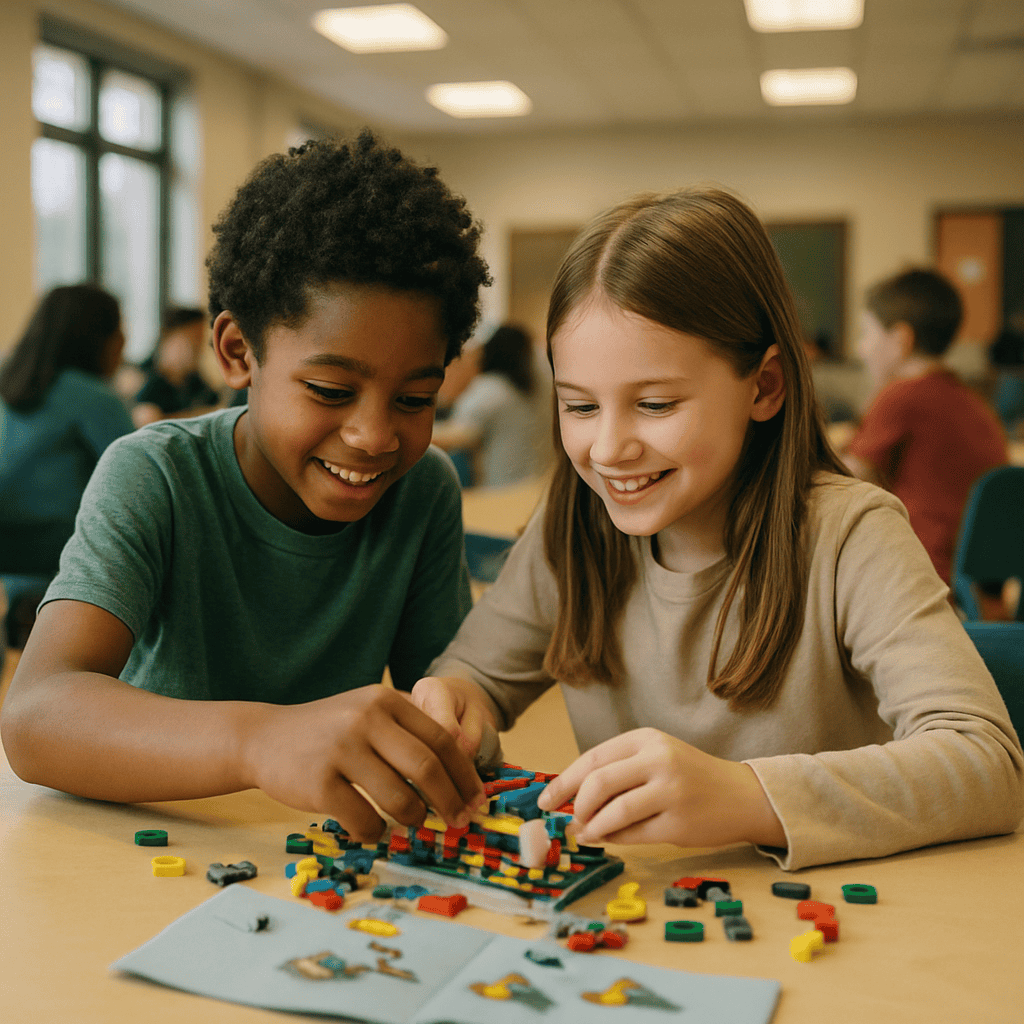
When your child is ready, create low-stakes opportunities for new peer interactions. Structured activities — art class, sports, coding club, Scouts — are easier than open-ended playdates because the activity provides a script. Your child doesn’t have to carry the entire social interaction; the task does some of the work. Look for small-group settings rather than one-on-one initially, which lowers pressure and gives your child more flexibility to find someone they click with.
Teach your child that rebuilding doesn’t mean finding an exact replacement. Each friendship is different, and the goal isn’t to recreate what they lost but to discover new connections. You might say, “You and Maya liked to draw together. Maybe you’ll meet someone who likes drawing too, or maybe you’ll find someone who likes building things, and that’ll be a different kind of fun.” This reframes friendship as additive, not zero-sum.
If your child is hesitant or anxious about re-engaging socially, break it into micro-steps. Instead of “make a new friend,” the goal might be “say hi to one person at lunch” or “join one conversation at recess.” Celebrate small social risks, even if they don’t lead to immediate friendship. The skill you’re building is resilience and social courage, not a specific outcome. For more on rebuilding social confidence, Hudson Valley Parent’s piece on the importance of friendship offers developmental context on how peer connections evolve across childhood.
When to Seek Additional Support
Most children move through friendship breakups with time, validation, and gentle support. But some situations warrant professional help. If your child shows signs of prolonged depression (lasting more than a few weeks), social withdrawal that doesn’t improve, persistent school refusal, or statements about self-harm or feeling worthless, consult your pediatrician or a child therapist. These signals suggest the friendship loss has triggered or revealed a deeper emotional struggle that needs clinical support.
Similarly, if the breakup involved bullying, exclusion by a peer group, or public humiliation, your child may need help processing trauma, not just grief. A therapist trained in childhood social trauma can offer tools beyond what parents can provide at home. Schools may also have counselors who can mediate peer conflicts or provide in-school support, especially if the ex-friend is in your child’s class or social circle.
Trust your instinct. If your child seems stuck, if the grief isn’t softening over weeks, or if you notice regressive behaviors that worry you, reaching out for help is a sign of good parenting, not failure. Friendship breakups are common, but that doesn’t mean every child processes them the same way or on the same timeline.

Lena Carter is a contributing writer for The Daily Well, focusing on practical routines, family systems, and everyday strategies for modern households. With experience managing the demands of a busy home and balancing the realities of modern family life, her work centers on simple, sustainable approaches that reduce stress and create more stability in the day-to-day.
Her writing explores parenting routines, household organization, emotional overwhelm, and the small systems that help families function more smoothly in real life — not just in theory.



