
Three years after schools reopened, pediatric psychologists are tracking something unexpected: children who spent formative years in isolation now struggle with social tasks that previous generations navigated intuitively. A five-year-old freezes during playground entry. An eight-year-old can’t maintain a two-way conversation. A middle schooler opts out of group projects entirely. These aren’t outliers—they’re patterns emerging across clinical practices nationwide, and building social skills in this cohort requires understanding what changed during the disruption.
The gap isn’t about lost content or academic delay. It’s about missed repetitions in our broader child development framework—the thousands of micro-interactions that teach turn-taking, conflict repair, social timing, and emotional regulation in group contexts. Children who spent 2020–2022 at home missed critical windows for peer scaffolding, and building social skills now means addressing both the developmental gap and the anxiety that gap created.
The Social Fluency Gap
Key Insight: Post-pandemic children aren’t socially incompetent—they’re socially under-practiced, and their brains interpret novelty as threat.
During typical development, children log hundreds of hours in low-stakes peer contexts (playgrounds, classrooms, birthday parties) where they trial social moves, fail safely, and iterate. Pandemic-era children missed this rehearsal window. When they re-enter group settings, their amygdalae flag unfamiliar social cues as danger, triggering avoidance behaviors that adults misread as shyness or defiance. Building social skills requires creating a high-repetition, low-threat environment that allows the brain to recategorize peer interaction as safe.
- Children who spent ages 3–5 in isolation show delayed perspective-taking and turn-taking skills
- Kids who re-entered school in 2021–2022 report higher social anxiety than pre-pandemic cohorts
- Adolescents who spent middle school online struggle with group collaboration and conflict resolution
- The gap widens when parents avoid peer exposure due to lingering health anxiety
The solution isn’t more playdates—it’s structured, repetitive, predictable peer practice that allows the nervous system to down-regulate.
Why Traditional Advice Falls Short for Building Social Skills Now
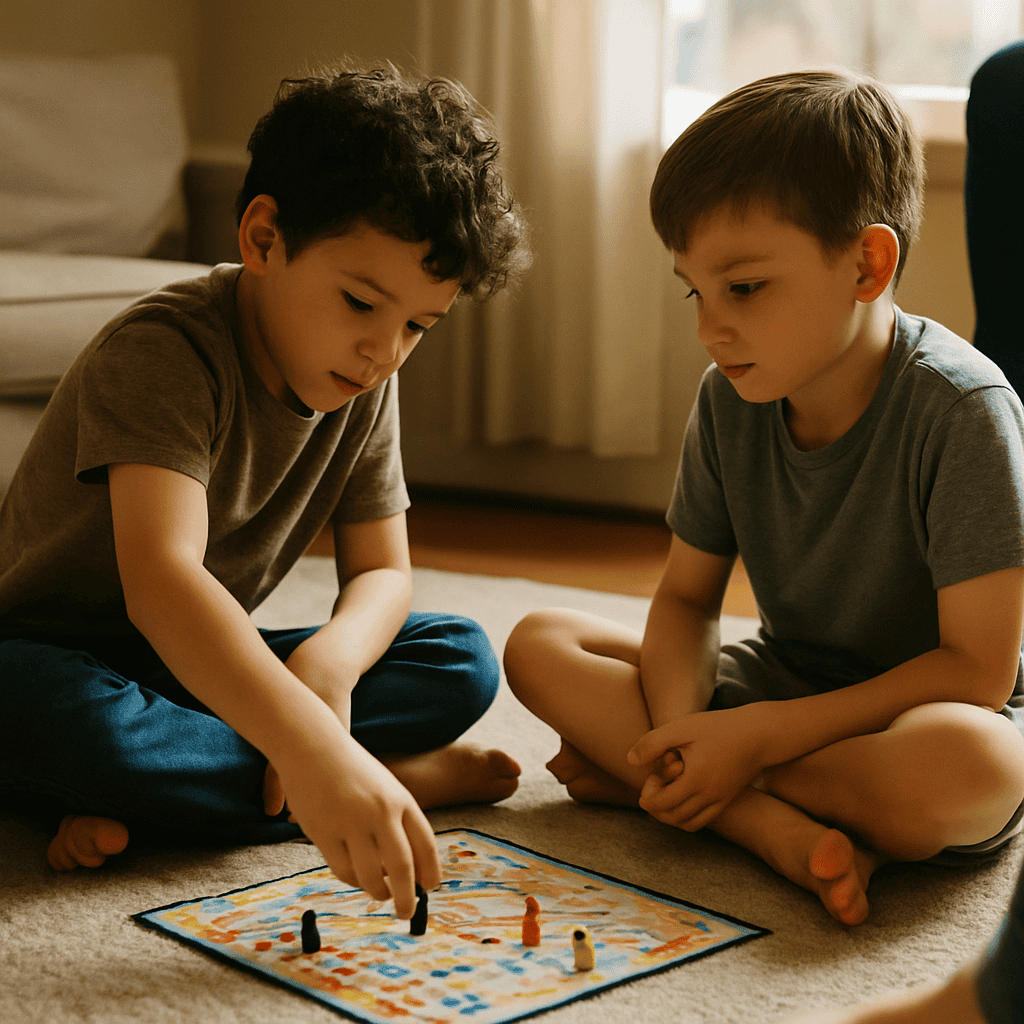
Pre-2020 guidance centered on exposure: enroll in team sports, host playdates, join scout troops. That advice assumed children entered these settings with baseline social fluency—eye contact, conversational reciprocity, basic conflict tolerance. Today’s children often lack that foundation. A Child Mind Institute analysis on teaching social skills at home notes that post-pandemic kids require explicit instruction in skills their predecessors absorbed implicitly.
Throwing a socially anxious child into a soccer league can backfire. Without scaffolding, the child experiences repeated social failure—missed cues, rejected bids for play, overwhelming sensory input—which deepens avoidance. Building social skills in under-practiced children requires breaking down interactions into teachable components: greeting sequences, question-asking scripts, entry strategies for group play, and exit strategies when overwhelmed. This isn’t about raising a robot; it’s about giving the child enough structure to feel competent while they build intuition.
Parents also underestimate the role of co-regulation. A child who feels socially threatened needs an adult nearby to model calm, narrate confusing social dynamics, and provide a safe base for retreat. When a child has no friends, the instinct is to push harder for peer time, but the research suggests the opposite: start with one predictable peer in a controlled environment, build success, then generalize.
The Four-Part Framework for Building Social Skills Post-Disruption
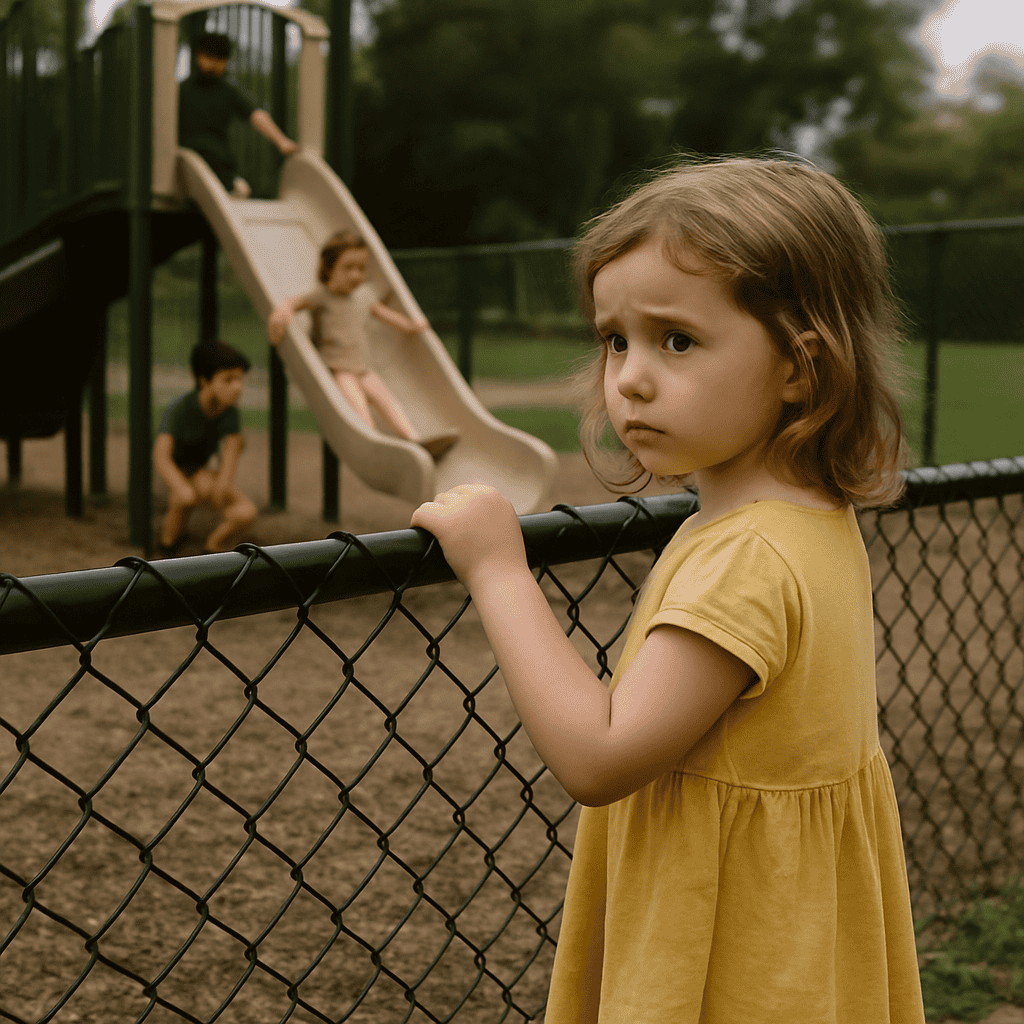
Clinical child psychologists working with pandemic-affected children converge on a four-component model. Building social skills isn’t linear—progress in one area unlocks progress in others—but all four components need attention.
1. Reduce the Threat Response. Before a child can practice social skills, their nervous system must perceive the social environment as safe. This means predictable contexts, familiar peers, adult presence, and clear exit options. A child who knows they can leave a playdate after 45 minutes will engage more fully than one trapped for two hours. Parents can narrate upcoming social events in advance (“Tomorrow we’re meeting Liam at the park. You’ll play for about an hour, then we’ll go home”) to reduce amygdala activation.
2. Teach Micro-Skills Explicitly. Break down “making friends” into granular, practiceable components. How do you enter a game in progress? (“Can I play?” while making eye contact.) How do you respond when someone shares a toy? (“Thanks, I like this one.”) How do you recover when you accidentally bump someone? (“Sorry—are you okay?”) The Parenting.org social skills guide for building friendships offers age-specific scripts that parents can rehearse at home before deploying in real contexts.
3. Create High-Repetition, Low-Stakes Practice. One weekly playdate isn’t enough repetition for an under-practiced child. Building social skills requires frequency: same peer, same context, multiple times per week if possible. Board games are ideal—they have built-in turn-taking, clear rules, and a defined end. Avoid open-ended “go play” scenarios until the child demonstrates confidence in structured contexts.
4. Repair and Reflect. After every peer interaction, debrief with the child. What went well? What felt hard? What would they try differently next time? This metacognitive step—thinking about thinking—accelerates learning. Parents can also model repair: “I noticed you walked away when Mia asked you a question. I wonder if she felt confused. Next time, could you say ‘I need a break’ before leaving?” This isn’t criticism; it’s coaching.
Building Social Skills in Different Age Bands
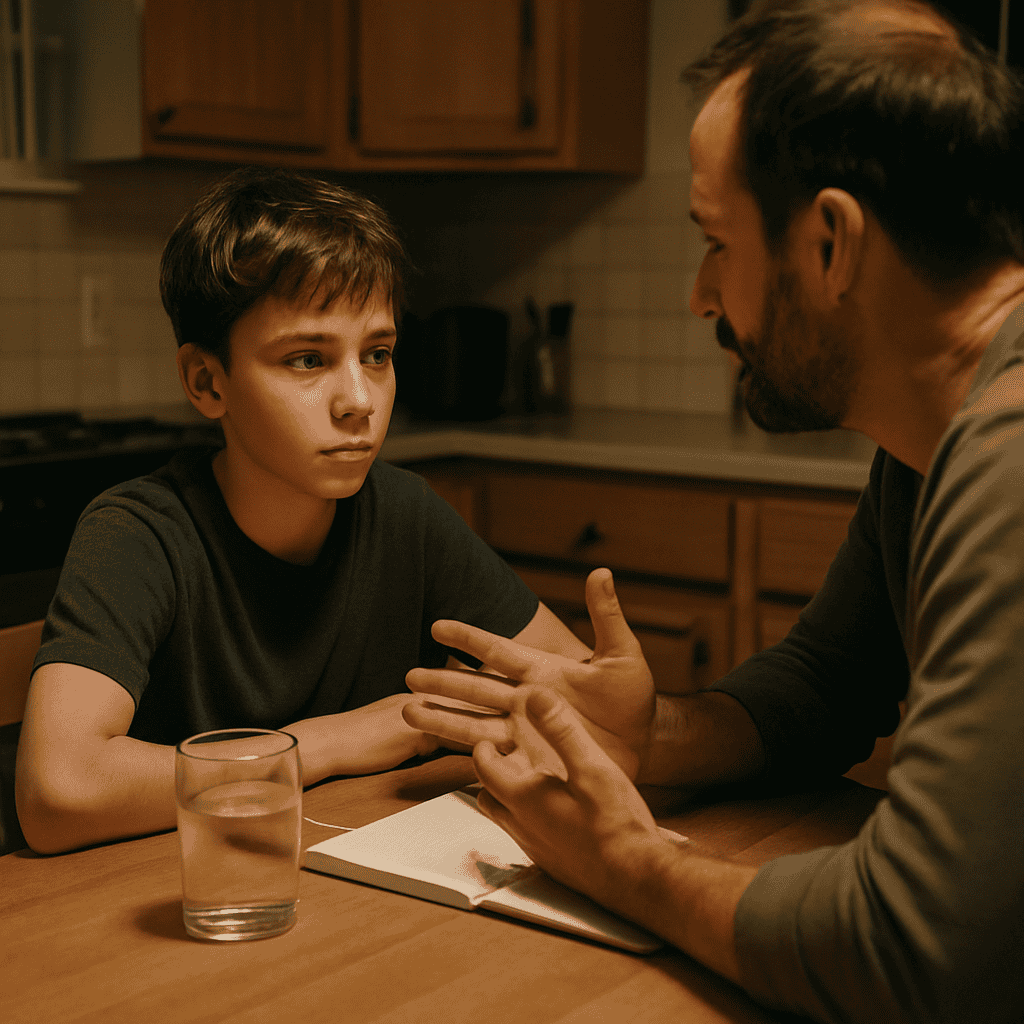
The strategies vary significantly by developmental stage, and building social skills for a preschooler looks nothing like building them for a tween.
Preschool and Early Elementary (Ages 3–7): Focus on parallel play and simple turn-taking. These children need adult narration (“Look, Noah is building a tower too—you’re both builders!”) and frequent co-regulation. Sensory overwhelm is common; watch for shutdown signals (zoning out, physical withdrawal) and provide breaks before meltdowns occur. Understanding what’s normal for this age helps parents distinguish pandemic delay from typical variability. Building social skills at this age is about volume—lots of short, low-pressure peer exposures.
Middle Childhood (Ages 8–11): This cohort lost critical years for forming stable peer groups and navigating social hierarchies. They need help reading social cues (body language, tone, sarcasm) and managing peer conflict. Role-playing is effective: act out scenarios where a friend excludes them, a peer teases, or a group ignores their idea. Building social skills here involves emotional literacy—naming feelings, identifying triggers, and practicing calming strategies before attempting peer repair.
Tweens and Early Teens (Ages 12–14): Adolescents who spent middle school on Zoom missed the chaotic, high-volume peer practice that typically happens in hallways, lunchrooms, and group projects. They may present as socially competent online but struggle in face-to-face contexts. Building social skills for this group requires addressing social anxiety directly—many need CBT-based interventions, not just more exposure. Distinguishing anxiety from normal worry helps parents know when to seek clinical support.
When Building Social Skills Requires Professional Help
Not every child’s social struggle is pandemic-related, and some delays signal underlying conditions—autism spectrum differences, ADHD with social impulsivity, selective mutism, or social anxiety disorder. Building social skills through parent coaching works for under-practiced but neurotypical children; it doesn’t replace therapy for children with clinical-level challenges.
Red flags that suggest professional evaluation: a child who makes no bids for peer interaction by age 4, a school-aged child who can’t maintain any friendships despite regular exposure, a child whose social anxiety leads to school refusal, or a child who becomes aggressive when peers approach. The Child Mind Institute’s friends and socializing resource hub offers screening tools and clinical referral guidance.
For children with diagnosed social anxiety, building social skills often requires a phased approach: therapy to reduce avoidance and build coping tools, then gradual peer exposure with therapist support, then generalization to natural contexts. Pushing exposure too fast can sensitize rather than desensitize, deepening the avoidance loop.
Even without a diagnosis, some children benefit from social skills groups—therapist-led sessions where 4–6 kids practice structured interactions in a controlled environment. These groups offer the repetition and scaffolding that natural peer contexts no longer provide. Insurance often covers them when a clinician documents social functioning impairment.
Frequently Asked Questions

Lena Carter is a contributing writer for The Daily Well, focusing on practical routines, family systems, and everyday strategies for modern households. With experience managing the demands of a busy home and balancing the realities of modern family life, her work centers on simple, sustainable approaches that reduce stress and create more stability in the day-to-day.
Her writing explores parenting routines, household organization, emotional overwhelm, and the small systems that help families function more smoothly in real life — not just in theory.



