
Your child’s teacher reports a great day. But minutes after arriving home, your child bursts into tears over a small frustration. This pattern is often called after-school restraint collapse.
Children may spend the school day managing expectations, emotions, and sensory demands, then struggle when they get home. Hunger, fatigue, and stress can make things worse.
Here’s how to recognize the pattern, respond calmly, and build an after-school routine that gives your child time to recover. Explore our family routines guide for broader daily planning.
The Regulation Budget Model
Key Insight: Children spend much of the school day managing emotions, attention, social expectations, and sensory demands. By dismissal, coping with additional frustrations may become harder.
The Regulation Budget Model is a practical way to recognize accumulated stress, not a clinical diagnosis. After-school restraint collapse may reflect fatigue, hunger, overstimulation, or the effort of managing behavior throughout the day.
Try a 20-minute decompression period:
- Offer water and a snack.
- Allow quiet play, movement, or rest based on your child’s needs.
- Save homework questions and detailed conversations until your child has settled.
Test it for five school days: Notice whether meltdowns become less frequent or shorter. Adjust the routine based on what helps your child recover.
Why After-School Restraint Collapse Happens
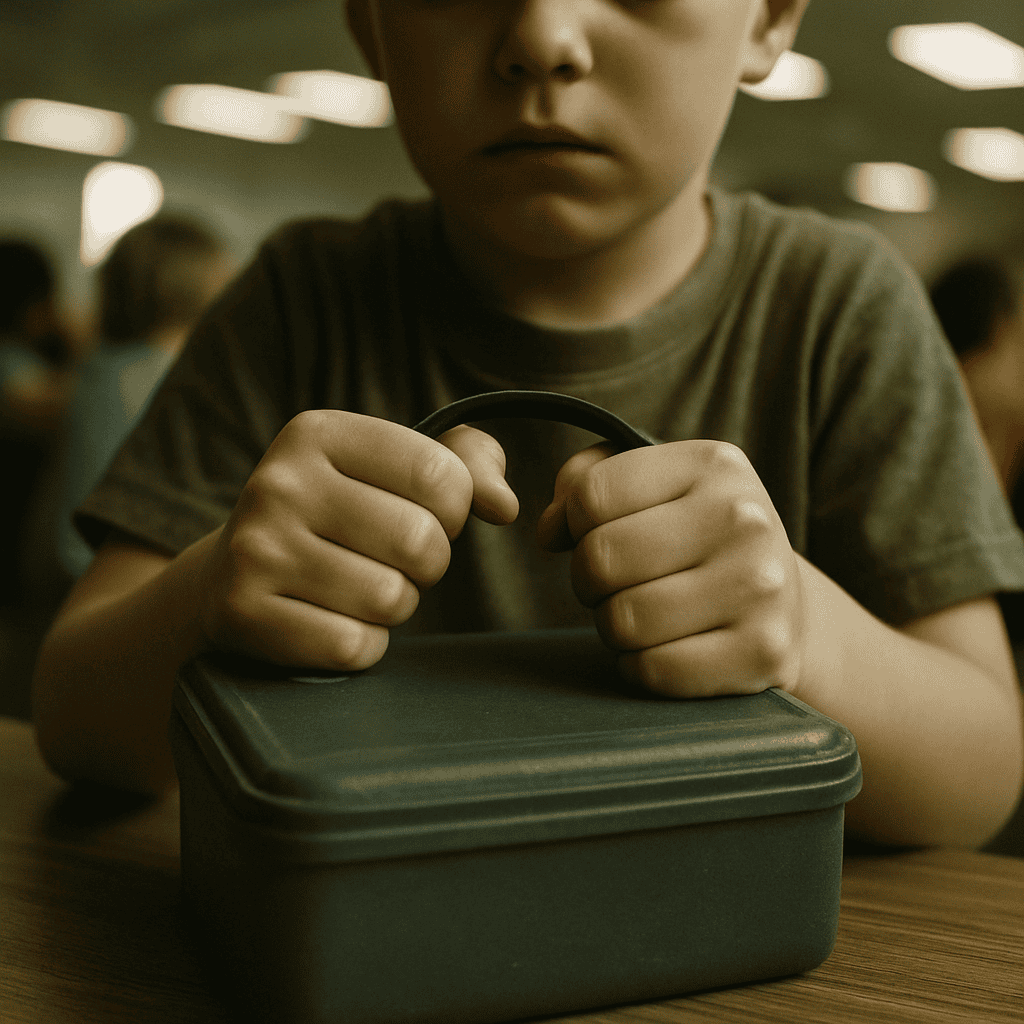
After-school restraint collapse describes a pattern in which children manage their behavior at school but struggle emotionally once they return home. The term describes an experience, not a formal medical diagnosis.
School requires sustained attention, impulse control, social interaction, and frequent transitions. By dismissal, some children are tired, hungry, overstimulated, or simply less able to handle another demand. A small frustration at home can then trigger a disproportionate reaction.
Children with ADHD, autism, anxiety, or sensory sensitivities may face additional challenges, although every child responds differently. Some cry or become angry; others withdraw or need quiet time. Understanding your child’s particular triggers is more useful than assuming every meltdown has the same neurological cause.
What After-School Restraint Collapse Looks Like
After-school restraint collapse can look different from child to child. One may burst into tears over the wrong snack, while another becomes angry when asked to start homework. Some children withdraw, become unusually quiet, or seem too exhausted to answer simple questions.
These reactions often appear shortly after school, although timing varies. Common signs include irritability, crying, emotional outbursts, difficulty making decisions, and wanting to be left alone. Hunger, fatigue, and sensory overload can intensify these responses.
Watch for patterns rather than isolated incidents. Does your child struggle more after busy school days, missed snacks, or demanding activities? Identifying these triggers helps you adjust your after-school routine and respond before frustration escalates.
How to Respond to After-School Restraint Collapse
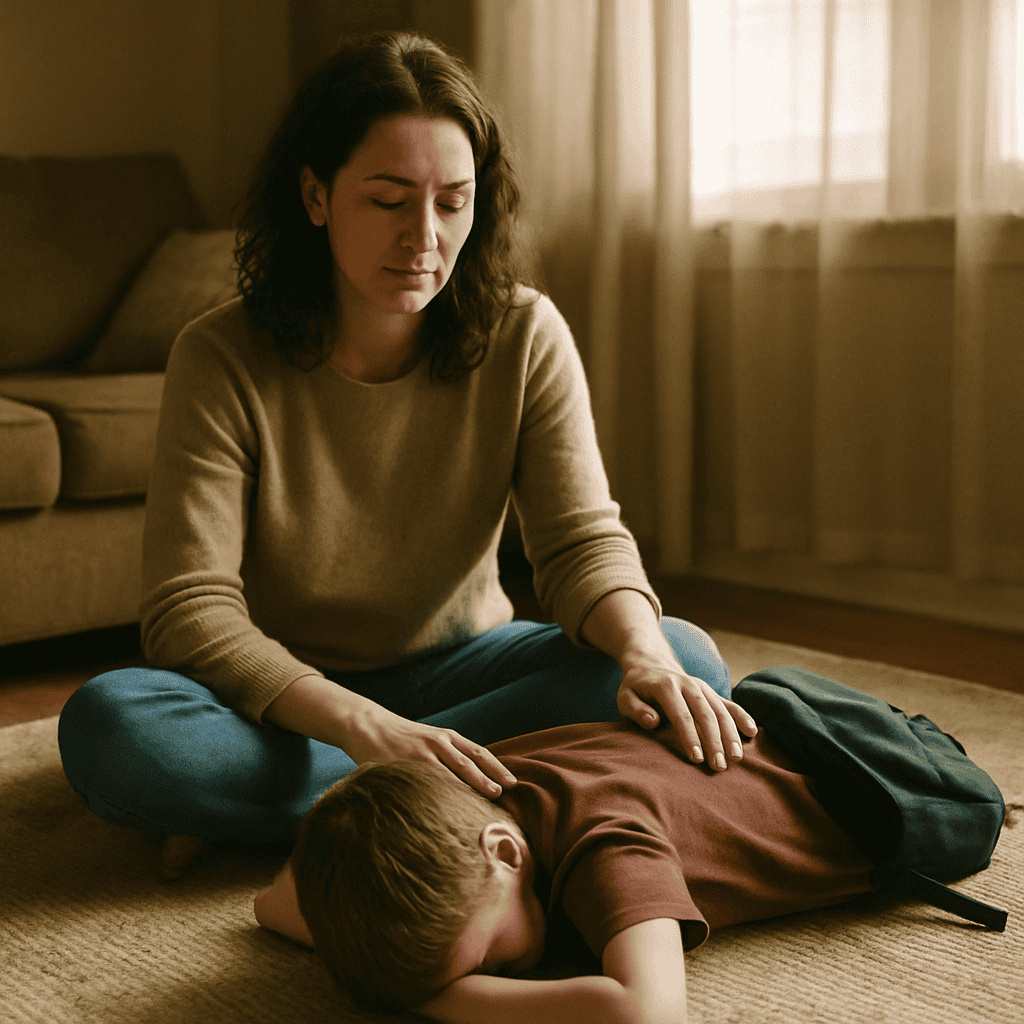
When your child falls apart after school, start with calm and connection rather than questions or corrections. Lower your voice, reduce distractions, and give your child time to settle. This approach, called co-regulation, helps children manage overwhelming emotions with support from a trusted adult.
Sit nearby without demanding eye contact or explanations. You might say, “That was a long day. I’m here when you’re ready.” Offer a hug if your child wants one, or respect their need for space. Once they’ve calmed down, you can discuss what happened and address any inappropriate behavior.
Before introducing homework or chores, offer water, a snack, and some downtime. Some children recover through quiet activities, while others benefit from movement or outdoor play. Start with 15 to 30 minutes of decompression and adjust according to your child’s needs.
Building a Post-School Routine That Prevents Collapse
A predictable after-school routine can reduce the frequency and intensity of emotional outbursts. Give your child time to recover before introducing homework, chores, or other responsibilities. The first 20 to 30 minutes at home can be reserved for a snack, relaxation, or physical activity.
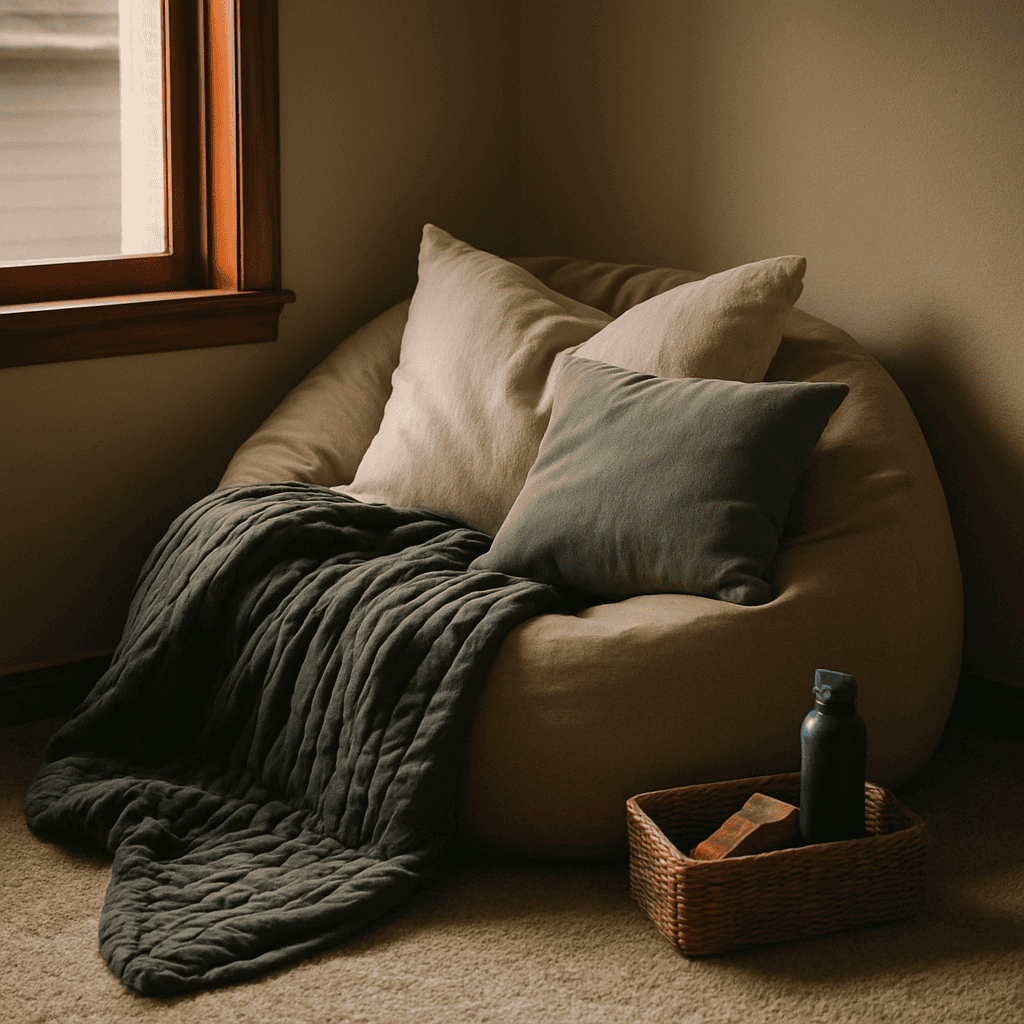
Create a comfortable place where your child can unwind. This might be a quiet reading corner, a bedroom, or an outdoor play area. A simple visual schedule showing snack time, free time, homework, and dinner helps children understand what comes next.
If meltdowns happen regularly, talk with your child’s teacher. Ask about difficult transitions, social challenges, sensory demands, or signs of stress during the school day. Together, you may identify adjustments that make afternoons easier.
Review your child’s extracurricular schedule, too. Some children benefit from sports and structured activities, while others need unstructured downtime. Pay attention to how your child responds and adjust the schedule accordingly.
Frequently Asked Questions

Lena Carter is a contributing writer for The Daily Well, focusing on practical routines, family systems, and everyday strategies for modern households. With experience managing the demands of a busy home and balancing the realities of modern family life, her work centers on simple, sustainable approaches that reduce stress and create more stability in the day-to-day.
Her writing explores parenting routines, household organization, emotional overwhelm, and the small systems that help families function more smoothly in real life — not just in theory.



