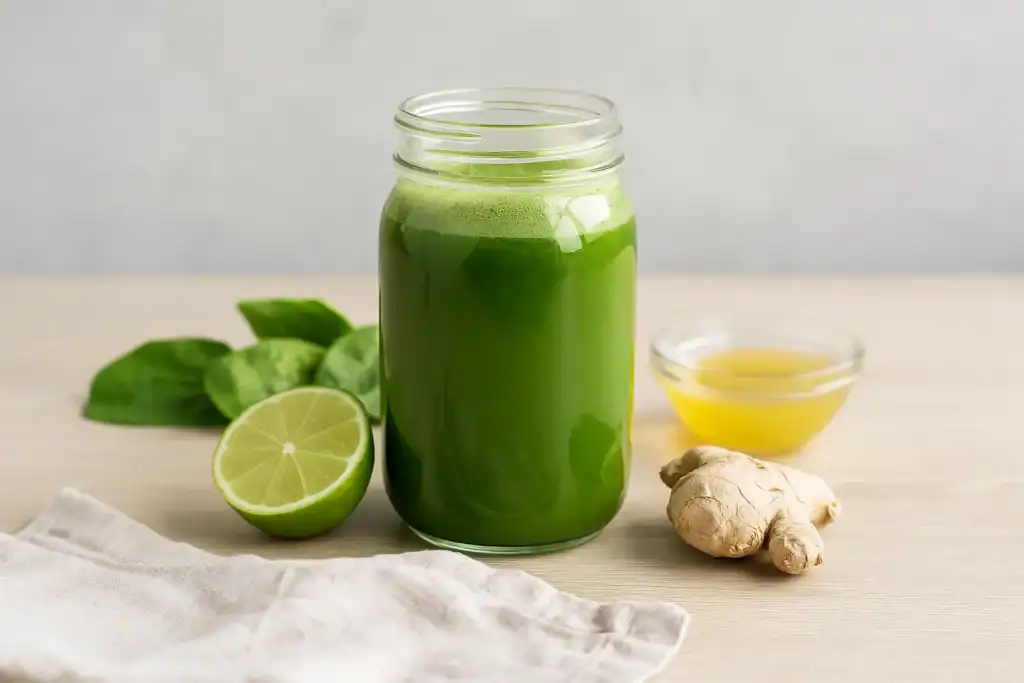
From celebrity juice fasts to green cleanse kits sold online, liquid detox diets have made their way into the wellness spotlight. They promise everything from better digestion to glowing skin and mental clarity. But what’s the real deal? Are Liquid Detox Diets Healthy? Are these liquid-based regimens helpful—or just hype?
What Is a Liquid Detox Diet, Exactly?
A liquid detox typically involves replacing solid food with nutrient-rich liquids like juices, smoothies, broths, teas, and sometimes herbal tonics. The goal? To give your digestive system a break while “flushing out” toxins and resetting your metabolism.
Though approaches vary, most liquid detoxes last anywhere from 1 to 5 days. Some popular formats include juice cleanses, bone broth fasts, and homemade green smoothies packed with fruits, veggies, and plant-based fats.
Is There Science to Support It?
Yes and no. While your liver and kidneys naturally detox your body, many experts agree that eating (or drinking) nutrient-dense foods can support these organs. Dr. Frank Lipman, integrative medicine expert and author of The New Health Rules, says, “Liquid detoxes can be useful short-term resets if done wisely and paired with rest, hydration, and mindful eating.”
However, many mainstream medical professionals caution against the idea of “detoxing” as a miracle fix. The Mayo Clinic notes that there’s limited clinical evidence that detox diets actually remove toxins.
What Are the Potential Benefits?
When done thoughtfully, a short liquid detox can:
- Give the digestive system a break
- Reintroduce hydration through water-rich foods and fluids
- Encourage increased fruit and veggie intake
- Kick-start better eating habits
People often report feeling lighter, less bloated, and more mindful of their food choices afterward. A 2020 study in Nutrients noted that a plant-forward liquid diet may improve markers of inflammation and gut health—especially if it’s rich in polyphenols and fiber.

But Are Liquid Detoxes Safe?
That depends. A 1–3 day cleanse made of whole-food-based juices or broths can be safe for most healthy adults. However, longer fasts or extremely low-calorie plans can lead to nutrient deficiencies, dizziness, and blood sugar drops.
Dr. Amy Shah, a double board-certified physician in internal medicine and immunology, recommends adding protein to any cleanse. “Most juice cleanses lack amino acids, which are essential for detoxification pathways. Add bone broth or a plant protein shake to round it out.”
Avoid commercial detox kits that rely on harsh laxatives or diuretics—these can cause dehydration and electrolyte imbalance. And steer clear of plans that restrict calories to extreme levels.
How to Do a Liquid Detox Safely at Home
If you’re curious and want to try one, here’s how to keep it healthy:
- Keep it Short – Aim for 1–3 days max.
- Use Whole Ingredients – Fresh fruits, vegetables, herbs, and homemade broths are best.
- Include Protein and Healthy Fats – Add nut butters, seeds, avocado, or collagen protein for balance.
- Listen to Your Body – Headaches, fatigue, or irritability mean it’s time to stop.
- Ease In and Out – Don’t jump straight from pizza to green juice (or vice versa). Transition gradually.
So, Are Liquid Detox Diets Healthy? What’s the Point of It All?
At its core, a liquid detox isn’t about punishment or perfection. It’s about pausing, resetting, and becoming more mindful of how you nourish yourself. It’s a brief check-in—not a long-term fix.
Think of it like a system reboot: clear out the clutter, reconnect with your body, and maybe spark a deeper commitment to wellness moving forward.
Final Thought: You Don’t Need a Trend to Tune In
Your body is built to heal. But a little support—through intention, hydration, and clean nutrition—can go a long way. Whether or not you try a liquid detox, the message is the same: listen to your body and nourish it with care.
Disclaimer: TDW is not a medical website. The information in this article is for entertainment and informational purposes only and is not intended as medical or health advice. Always consult a qualified healthcare professional before making changes to your health routine, especially if you have pre-existing conditions or health concerns. The author and publisher are not responsible for any adverse effects resulting from adopting the practices discussed.

Lena Carter is a contributing writer for The Daily Well, focusing on practical routines, family systems, and everyday strategies for modern households. With experience managing the demands of a busy home and balancing the realities of modern family life, her work centers on simple, sustainable approaches that reduce stress and create more stability in the day-to-day.
Her writing explores parenting routines, household organization, emotional overwhelm, and the small systems that help families function more smoothly in real life — not just in theory.


