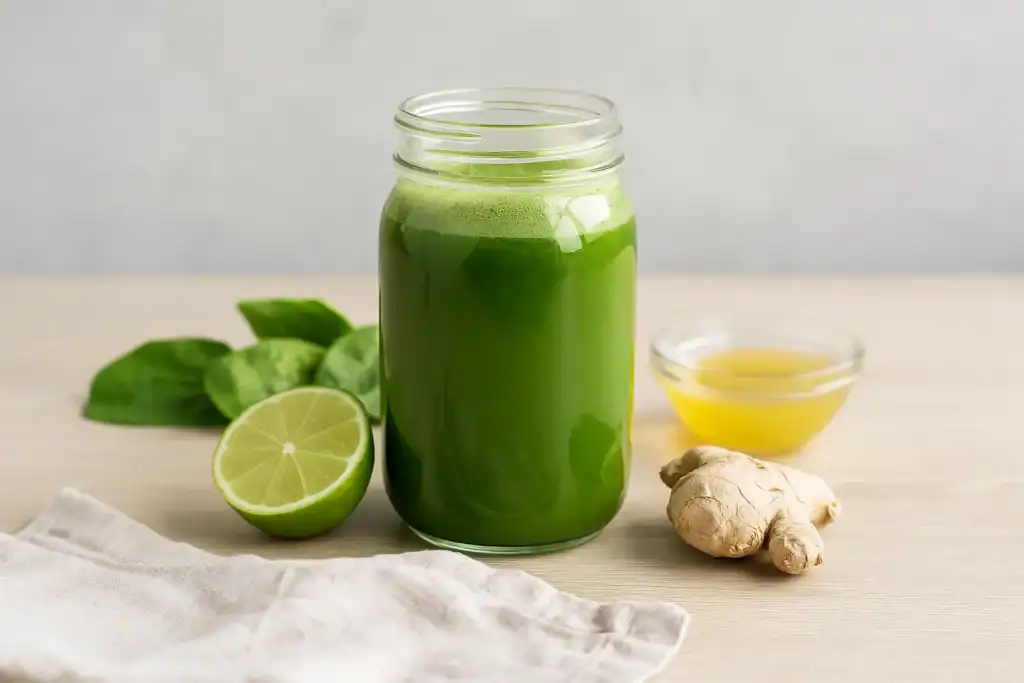
Joint pain doesn’t have to be a lifelong sentence of discomfort and limitations. In fact, your diet can be one of the most powerful tools for relief. These anti-inflammatory foods for joint pain relief are backed by science and praised by nutrition experts for their ability to reduce inflammation and support long-term mobility—naturally.
Whether you’re managing arthritis or feeling stiff after long workdays, this guide will help you eat your way to more flexibility and less pain.
Why Inflammation Affects Your Joints
Inflammation is the immune system’s natural response to injury or irritants. But chronic inflammation, especially in joints, can lead to stiffness, swelling, and discomfort—hallmarks of conditions like osteoarthritis and rheumatoid arthritis.
According to the Arthritis Foundation, certain foods can trigger or reduce inflammation. That means choosing the right diet may not just help relieve pain—it can also slow joint degeneration over time.
Fatty Fish: Omega-3 Powerhouses
Salmon, mackerel, sardines, and trout are rich in omega-3 fatty acids—natural inflammation fighters that help reduce joint tenderness and stiffness. These healthy fats block inflammatory proteins and have even been shown to lower markers of joint degradation.
Aim for at least two servings of fatty fish per week. Not a fish fan? Consider a high-quality fish oil supplement, especially those containing EPA and DHA, for similar anti-inflammatory benefits.

Leafy Greens: Anti-Inflammatory and Antioxidant Rich
Spinach, kale, arugula, and Swiss chard aren’t just great for your heart—they’re also powerful players in joint pain relief. These greens are packed with antioxidants like vitamin C, beta-carotene, and flavonoids, which help neutralize inflammation at the cellular level.
Bonus: They’re low-calorie and high in fiber, making them ideal for weight management—a key factor in reducing stress on joints.
Berries: Tiny Fruits, Big Benefits
Berries like blueberries, raspberries, and strawberries are packed with anthocyanins—natural compounds that reduce inflammation and oxidative stress in the body.
A NIH Study found that these compounds block pro-inflammatory pathways in the body, helping ease joint-related inflammation. Add a handful to your breakfast or snack on them in the afternoon for a sweet, joint-friendly treat.
Turmeric: Nature’s Anti-Inflammatory Spice
Turmeric, known for its vibrant yellow color, contains curcumin—a compound praised for its strong anti-inflammatory and antioxidant properties. Research suggests curcumin can help reduce symptoms of joint pain, especially when combined with black pepper, which enhances its absorption.
Add it to curries, stir-fries, or smoothies. For therapeutic doses, consider a curcumin supplement that contains piperine.
Nuts and Seeds for Joint-Supporting Fats
Almonds, walnuts, flaxseeds, and chia seeds are rich in plant-based omega-3s, fiber, and vitamin E—an antioxidant that helps protect cells from inflammation.
They also offer protein and healthy fats to support joint tissue and reduce morning stiffness. Sprinkle seeds onto oatmeal, salads, or yogurt for an easy, anti-inflammatory boost.
Olive Oil: The Mediterranean Must-Have
Extra virgin olive oil is a staple of the Mediterranean diet—and for good reason. It contains oleocanthal, a compound with effects similar to NSAIDs like ibuprofen. According to a report from NIH, oleocanthal helps reduce inflammation and pain naturally.
Use it as your go-to cooking oil or as a drizzle over vegetables and grain bowls to reap the benefits.
Whole Grains Over Refined Carbs
Refined grains and sugar can trigger inflammatory responses in the body, making whole grains like oats, brown rice, quinoa, and farro a better choice for joint health.
Whole grains offer fiber, B vitamins, and phytonutrients that support immune regulation and help lower levels of C-reactive protein (CRP)—a key marker of inflammation in joint-related conditions.
Keep this article handy, as your go-to for anti-inflammatory foods for joint pain relief.

Lena Carter is a contributing writer for The Daily Well, focusing on practical routines, family systems, and everyday strategies for modern households. With experience managing the demands of a busy home and balancing the realities of modern family life, her work centers on simple, sustainable approaches that reduce stress and create more stability in the day-to-day.
Her writing explores parenting routines, household organization, emotional overwhelm, and the small systems that help families function more smoothly in real life — not just in theory.