You’ve probably stood in the produce aisle comparing a $1.29 conventional apple to a $2.49 organic one and thought: Is this really worth it? That little green-and-white USDA Organic label carries weight—and often a hefty price tag. While organic foods are touted for being healthier and more environmentally friendly, many shoppers are left wondering if the benefits truly justify the cost.
What Drives Up the Price of Organic Food?
The price difference between organic and conventional food is no accident. Organic farming requires more labor, stricter regulations, and often yields smaller harvests. For example:
- Certification Costs: Organic farms must pay for annual USDA inspections and extensive record-keeping. These costs get passed on to consumers.
- Labor-Intensive Practices: Without chemical pesticides and synthetic fertilizers, organic farmers rely more on manual labor to manage weeds and pests.
- Lower Yields: Organic crops generally produce less food per acre than conventional ones, making them more expensive to grow and harvest.
- Supply and Demand: While demand for organic food continues to grow, supply chains remain more limited, which inflates prices further.
According to the U.S. Department of Agriculture, organic foods can cost anywhere from 10% to 50% more than non-organic equivalents. In some cases—like organic eggs or meat—prices can even double.
Are the Health Benefits Worth the Cost?
Organic foods reduce your exposure to synthetic pesticides and additives. That’s a big plus, particularly for vulnerable populations like children, pregnant women, and people with compromised immune systems.
However, nutrition-wise, the benefits may not be as dramatic as the price implies. A comprehensive review in Annals of Internal Medicine found that while organic produce has fewer pesticide residues, nutrient content isn’t significantly higher across the board compared to conventional foods.
So, from a pure nutrition standpoint, you won’t necessarily get more vitamins or minerals for your extra dollars. But from a chemical exposure standpoint, you’re likely getting cleaner food.
Budget-Friendly Organic Shopping Strategies
You don’t have to go fully organic to make smarter, cost-effective choices. Here are a few strategies to get the best of both worlds:
- Prioritize the Dirty Dozen: Each year, the Environmental Working Group (EWG) releases a list of produce most likely to carry pesticide residues. Focus your organic spending on those (like strawberries, spinach, and apples).
- Skip Organic for the Clean Fifteen: Items like avocados, pineapples, and onions tend to have low pesticide levels even when conventionally grown, so save money by buying non-organic versions.
- Buy Store Brands: Many grocery chains now offer their own line of USDA-certified organic products at lower prices.
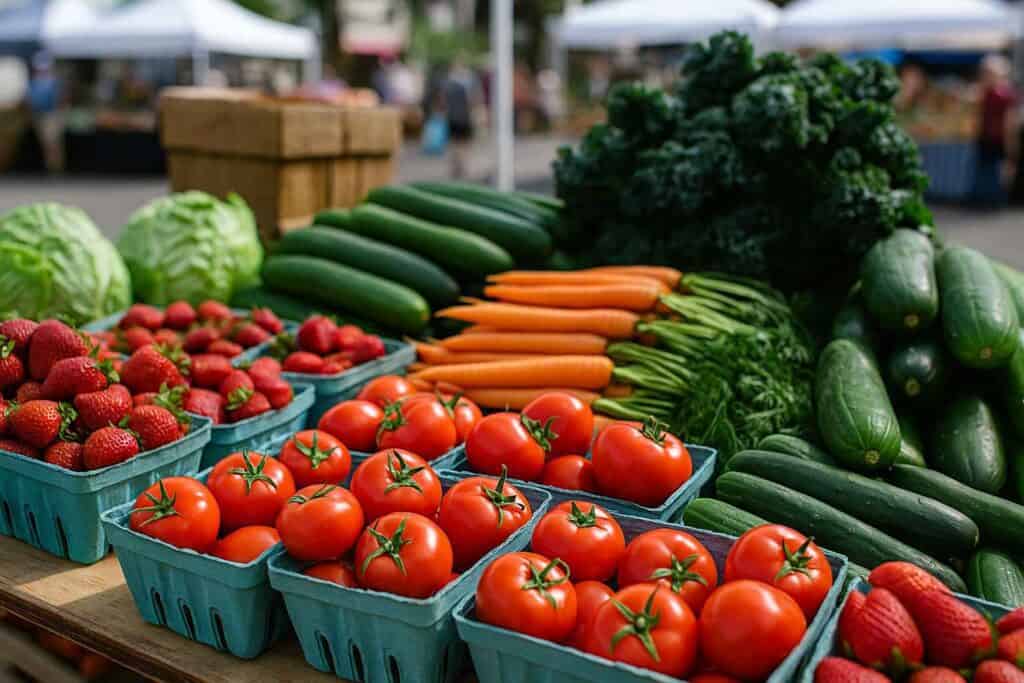
- Shop Local and Seasonal: Farmers’ markets often offer fresher organic or “organic-practicing” produce at lower prices, especially when it’s in season.
- Buy in Bulk: Grains, beans, and nuts can often be purchased in bulk to save on organic options.
Is It Worth It?
That depends on your values, budget, and goals. If reducing your pesticide exposure, supporting animal welfare, and choosing more sustainable farming practices align with your lifestyle, the higher price of organic may feel justified. But if you’re on a tight budget, a well-rounded diet filled with a variety of conventional fruits and vegetables is still far better than a nutrient-poor diet full of processed foods—organic or not.
For many families, a hybrid approach makes the most sense: shop organic when it matters most and go conventional where it counts least.
While organic foods may not always deliver more nutrients, they do offer cleaner, more ethically produced options. But they aren’t essential for healthy eating. With smart shopping strategies, you can eat well, stay on budget, and still make informed choices that align with your values.

The Daily Well Team creates practical, research-backed content focused on modern parenting advice, wellness tips for moms, and everyday strategies for real families. We cover routines, child development, family systems, and smart lifestyle solutions that help busy households reduce stress and function more effectively. Our editorial approach is grounded in clarity, simplicity, and real-world results.