
We spend roughly one-third of our lives sleeping—yet most of us don’t give our mattresses the attention they deserve. If you’re waking up stiff, groggy, or with mysterious aches and pains, your old bed might be the real culprit. But how long should a mattress really last? And what does science say about the health impact of a bad one?
Let’s dive into the data, the red flags, and some top-rated mattress options that might just transform your nights—and your days.
America’s Mattress Habits: We’re Sleeping on the Problem
The average American keeps their mattress for over 10 years, according to a Statista Consumer Survey—despite recommendations from the National Sleep Foundation to replace it every 6–8 years. Worse still, many people admit they only upgrade when their current mattress becomes unbearable.
Why does this matter? Because sleeping on an old or poorly supportive mattress can lead to more than just bad dreams.
A 2021 survey by the Better Sleep Council found that 73% of people who slept on new mattresses reported better sleep quality and fewer disruptions during the night. Conversely, bad mattresses have been linked to issues such as:
- Chronic back and neck pain
- Increased joint stiffness
- Allergies (due to dust mites and mold buildup)
- Poor sleep quality and insomnia
- Daytime fatigue and reduced focus
One Journal of Chiropractic Medicine study even found that new mattresses reduced back pain and improved sleep comfort in as little as 28 days.
The Warning Signs Your Mattress Has Gone Bad
- You wake up more tired than you were at bedtime
- You notice dips, lumps, or sagging spots
- You’re experiencing new pain in your back, shoulders, or hips
- Your allergies have worsened
- You sleep better elsewhere (like hotels or a friend’s couch)
If you said “yes” to more than one of those, it might be time to break up with your bed.
Amazon’s Best-Rated Mattresses for a Better Night’s Sleep
Fortunately, you don’t need to spend a fortune at a mattress showroom. Amazon offers several highly rated, expert-recommended mattresses that ship directly to your door.
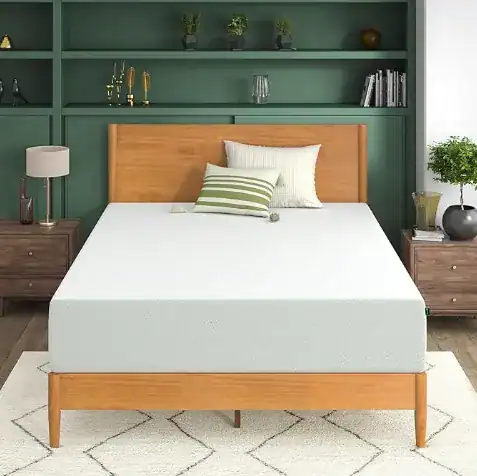
Zinus Green Tea Memory Foam Mattress
This budget-friendly bestseller features pressure-relieving memory foam infused with green tea and ActivCharcoal to keep it fresh. It’s ideal for side sleepers and those looking for contouring support.
- Tuft & Needle Original Adaptive Foam Mattress
Known for its proprietary Adaptive® foam, this mattress offers support without the sink of memory foam. Great for combination sleepers who toss and turn. - Nectar Queen Mattress 12” Medium Firm Gel Memory Foam
Featuring a quilted cooling cover and multiple layers of gel memory foam, Nectar is great for hot sleepers who need pressure relief. It also includes a 365-night trial and lifetime warranty. - Linenspa 8-Inch Hybrid Mattress
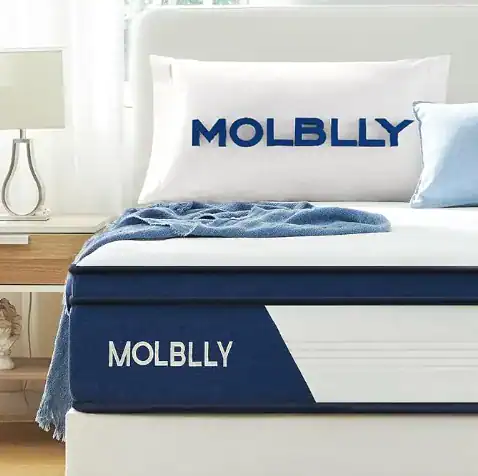
This hybrid design combines the comfort of memory foam with traditional innersprings for balanced support. It’s an excellent choice for kids, guest rooms, or budget-conscious shoppers. - Molblly King Mattress, 12 Inch Innerspring Mattress
Editor’s Choice: I can personally vouch for this one. After we tried a Costco memory foam bed for a few months (memory foam is having its moment), we decided memory foam wasn’t right for our sleeping habits and returned to the tried and tested innerspring but this one from Molblly brought modern advancements in coil wraps and came in well under our budget (and on a king size to boot!).
Tips for Choosing the Right Mattress
- Sleep Position Matters: Side sleepers often do better with softer memory foam, while back and stomach sleepers need firmer support.
- Look for Certifications: Like CertiPUR-US® for foam quality and safety.
- Trial Periods Are Gold: Many mattresses now offer 100+ night risk-free trials—even via Amazon.
- Consider Edge Support & Motion Isolation: Especially if you sleep with a partner.
The Bottom Line
A mattress isn’t just where you sleep—it’s where your body recovers, your brain resets, and your overall health gets a nightly reboot. If yours is past its prime, it might be doing more harm than good.
Investing in a high-quality, supportive mattress could be one of the most important wellness decisions you’ll make. Sleep isn’t optional—so your comfort shouldn’t be either.

Lena Carter is a contributing writer for The Daily Well, focusing on practical routines, family systems, and everyday strategies for modern households. With experience managing the demands of a busy home and balancing the realities of modern family life, her work centers on simple, sustainable approaches that reduce stress and create more stability in the day-to-day.
Her writing explores parenting routines, household organization, emotional overwhelm, and the small systems that help families function more smoothly in real life — not just in theory.


