
If you’ve ever been startled awake by a blaring alarm and felt your heart race as if you were fleeing danger—well, in a way, you were. That jolt is your body’s fight-or-flight response kicking in. While alarms are meant to help us start the day, the harsh ones may be sabotaging our health more than helping our routines.
Fortunately, there’s a softer—and smarter—way to wake up.
The Problem with Traditional Alarm Clocks
Loud, sudden alarm clocks activate the sympathetic nervous system, which controls our stress response. According to a study published in PLoS One, abrupt awakening triggers spikes in cortisol and adrenaline levels, often leading to higher blood pressure, disorientation, and grogginess—especially if you’re pulled out of deep or REM sleep.
This phenomenon, known as sleep inertia, can impair cognitive function for up to 30 minutes after waking. Harvard Medical School’s Division of Sleep Medicine confirms that sudden awakenings may also interfere with mood regulation and memory throughout the day.
Additionally, a Japanese study found that harsh wake-ups caused elevated heart rates and reduced vascular relaxation, particularly in people with preexisting cardiovascular risk factors. In short? That air horn ringtone might not just be annoying—it could be dangerous.
The Better Way to Wake: Gradual and Gentle Alarms
So what’s the alternative? Gentle alarm clocks that mimic natural waking cues—like soft light, calming sounds, or progressive volume—are designed to wake you gradually, allowing your body and brain to transition more peacefully from sleep to wakefulness.
According to sleep specialists at the Cleveland Clinic, light-based wake-up methods are especially effective. They help regulate your circadian rhythm and can even improve energy, focus, and mood for the rest of the day.
Top Gentle Alarm Clocks
Ready to ditch the jarring buzz for something a little more humane? Here are a few of the most highly rated gentle alarm clocks:
- Philips SmartSleep Wake-Up Light
This best-selling Philips SmartSleep sunrise simulator gradually brightens over 30 minutes to wake you with light that mimics a natural sunrise. It also includes nature sounds, a dimming sunset feature for bedtime, and a sleek design. - Hatch Restore 2
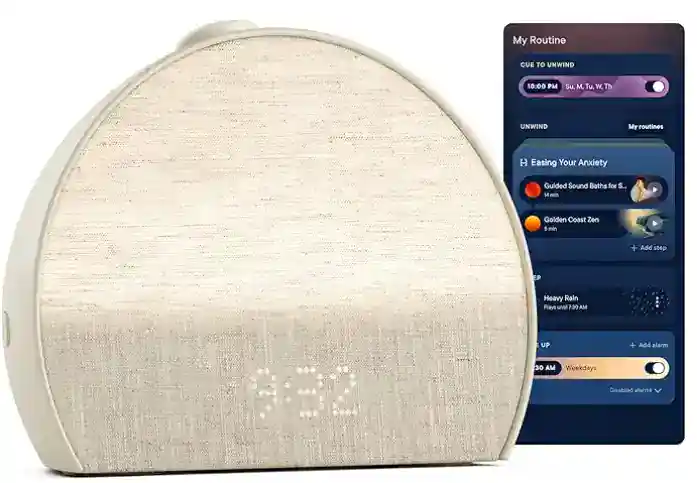
More than just an alarm clock, the Hatch Restore combines a sunrise alarm, white noise machine, and app-based sleep routine planner. It’s beloved by sleep hackers and parents alike. White noise isn’t just for baby anymore. - Lumie Bodyclock Rise 100
Designed by light therapy experts, this UK-imported sunrise clock is clinically proven to help regulate melatonin and reduce grogginess. Great for seasonal affective disorder sufferers, too. - iHome Zenergy Bedside Sleep Therapy Machine
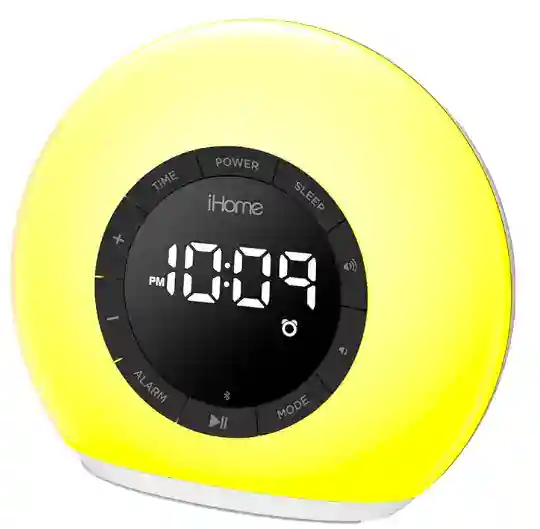
Combining light, sound therapy, and Bluetooth streaming, this multitasker helps you both fall asleep and wake up peacefully.
Tips for a Smoother Morning Wake-Up
- Set your alarm during light sleep if possible—apps like Sleep Cycle or a smart watch can help track sleep stages.
- Avoid snoozing, which disrupts your sleep cycle and increases grogginess.
- Use warm-colored light for sunrise simulations; it’s less disruptive than cool, blue-heavy tones.
- Establish a consistent sleep schedule, even on weekends, to align with your body’s natural rhythm.
The Bottom Line
Mornings don’t have to begin with a jolt. A good night’s sleep deserves a good wake-up—and the science is clear that how you rise affects how you feel for the rest of the day. Swapping your jarring alarm for a gentle wake-up light or sound system might just be one of the simplest upgrades to your overall wellness.
Because you don’t want to just rise in the morning, you want to shine.

Lena Carter is a contributing writer for The Daily Well, focusing on practical routines, family systems, and everyday strategies for modern households. With experience managing the demands of a busy home and balancing the realities of modern family life, her work centers on simple, sustainable approaches that reduce stress and create more stability in the day-to-day.
Her writing explores parenting routines, household organization, emotional overwhelm, and the small systems that help families function more smoothly in real life — not just in theory.



