The Supplement Surge: Are We Getting Healthier or Just Popping Pills?
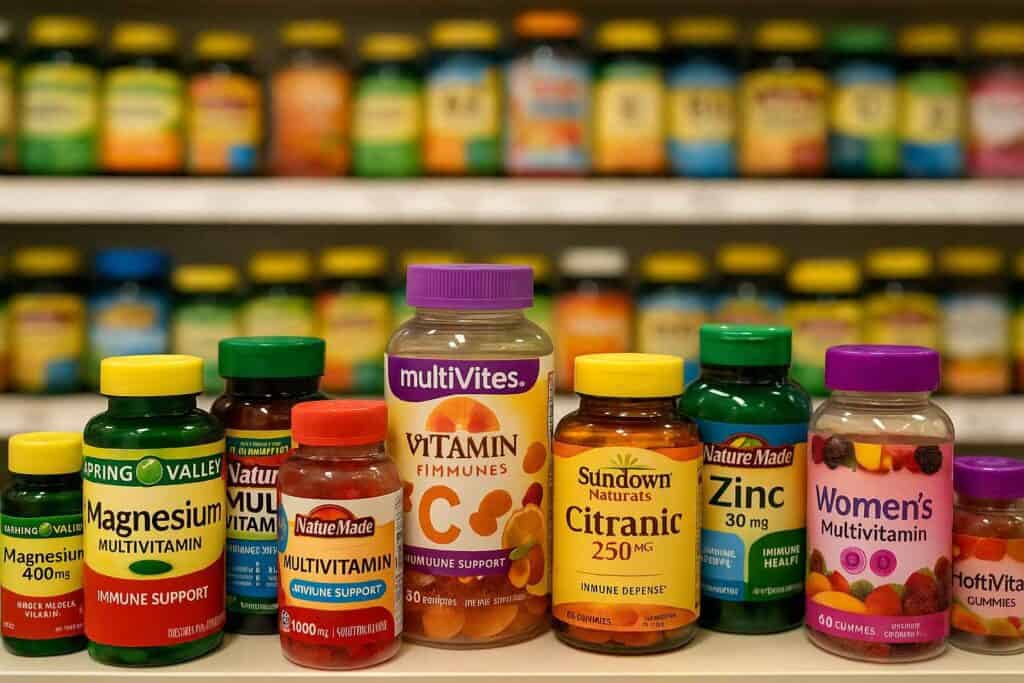
Walk into any drugstore, and you’ll see shelf after shelf of colorful bottles promising better sleep, stronger immunity, clearer skin, and even sharper memory. From multivitamins to magnesium, Americans have embraced supplements with full force. But are they actually making us healthier?
According to the National Institutes of Health Office of Dietary Supplements, over half of all U.S. adults take at least one dietary supplement regularly. For those over age 60, that number jumps to more than 70%. And it’s not just the older crowd—Millennials and Gen Z are increasingly loading up on probiotics, collagen powders, and energy-boosting blends in slick packaging. (For more on the Millennial and Gen Z Supplement Obsession, read more here at TDW)
Why the Vitamin Craze?
Part of the supplement boom comes from a desire for control. Between fast-paced lifestyles, processed foods, and pandemic-era health anxiety, people want a sense of security—and a gummy packed with vitamin D or elderberry feels like a simple fix.
Dr. JoAnn Manson, professor of medicine at Harvard Medical School, notes that supplements can “play a role” in filling nutritional gaps, especially for people with restricted diets or certain deficiencies. But she’s also quick to warn that “more is not always better.” Harvard Health Publishing echoes this, stating that while some vitamins are helpful, many people are taking them without a clear need.
Are Supplements Making Us Healthier?
The short answer: kind of. Some supplements—like folic acid for pregnant women, or vitamin B12 for vegans—can provide clear benefits. And certain groups, like those with osteoporosis or low sun exposure, may benefit from added calcium or vitamin D.
But for the average, relatively healthy adult? The data is underwhelming.
A massive review published in JAMA in 2022 found no strong evidence that most common supplements prevent major chronic diseases like cancer or heart disease. The U.S. Preventive Services Task Force concluded that multivitamins, vitamin E, and beta-carotene had little to no benefit in the general population—and in some cases, could even pose harm.
So while popping a daily multivitamin might feel like a smart choice, it’s not a golden ticket to better health.
Can You Overdo It?
Absolutely. Just because something is “natural” doesn’t mean it’s harmless.
Over-supplementing can lead to real health problems. Fat-soluble vitamins like A, D, E, and K can build up in the body and become toxic at high doses. Too much vitamin D, for instance, can cause nausea, kidney problems, and calcium imbalances.
Even “safe” nutrients like vitamin C can backfire. Megadoses have been linked to digestive upset and kidney stones. And mixing supplements with certain medications—like blood thinners or antidepressants—can lead to dangerous interactions.
According to the FDA, supplements aren’t regulated as tightly as prescription drugs, meaning you’re often trusting the label. Independent labs have found that some products contain none of the promised ingredients—or worse, include contaminants or unapproved drugs.

So, What’s the Smart Way to Supplement?
Start with your plate. Experts agree that real food should be your primary source of vitamins and minerals. A balanced diet rich in fruits, vegetables, whole grains, and lean proteins offers a nutrient mix your body can actually absorb and use efficiently.
If you’re considering a supplement, talk to your healthcare provider first—especially if you’re managing a health condition or taking medications. A simple blood test can reveal if you’re truly deficient in anything.
Think of supplements as just that: a supplement, not a substitute. They’re not magic bullets, but in the right context, they can be helpful tools.

Lena Carter is a contributing writer for The Daily Well, focusing on practical routines, family systems, and everyday strategies for modern households. With experience managing the demands of a busy home and balancing the realities of modern family life, her work centers on simple, sustainable approaches that reduce stress and create more stability in the day-to-day.
Her writing explores parenting routines, household organization, emotional overwhelm, and the small systems that help families function more smoothly in real life — not just in theory.


