We’ve all heard it: “Drink eight 8-ounce glasses of water a day.” It’s one of the most repeated wellness mantras out there. But is this iconic hydration advice backed by science—or just health folklore that stuck?
Spoiler: it’s not one-size-fits-all.
Where Did the 8×8 Rule Come From?
The “8×8” guideline (eight 8-ounce glasses per day) likely stems from a 1945 Food and Nutrition Board recommendation stating adults should consume about 2.5 liters of water per day. What most people miss is the fine print—it also said much of that water comes from food. So, technically, no, you don’t have to chug 64 ounces of plain water daily. Source: National Academies Press
Hydration Needs Vary Widely
According to the Mayo Clinic, how much water you need depends on many factors: your age, body size, activity level, climate, and health status. People who exercise heavily or live in hot environments will need more. Sedentary people in cooler climates need less. Source: Mayo Clinic
Dr. Tamara Hew-Butler, a hydration expert and associate professor at Oakland University, says the eight-glasses rule is “not evidence-based” and warns against drinking beyond thirst. “Overhydration can lead to hyponatremia, a dangerous drop in sodium levels,” she notes. Hyponatremia can cause the brain to swell, which can lead to seizures, and other neurological problems.
Actress Brooke Shields suffered a grand mal seizure in 2023 due to overhydration–yes, you read that right–where she drank an excessive amount of water, causing her sodium levels to dip dangerously low, leading to a serious medical event. Shields found herself hospitalized.

How Do You Know If You’re Hydrated?
Here’s a science-backed tip: check your pee. The at-home urine test that doesn’t need a prescription. Light yellow? You’re likely good. Dark yellow or amber? You could use more fluids. And if it’s clear like water, you may be overdoing it.
Thirst, oddly enough, is still one of the best indicators–duh. Your body is remarkably good at signaling when it needs hydration. Unless you’re elderly, sick, or intensely active, drinking when you’re thirsty usually does the trick.
What Counts Toward Hydration? More Than You Think
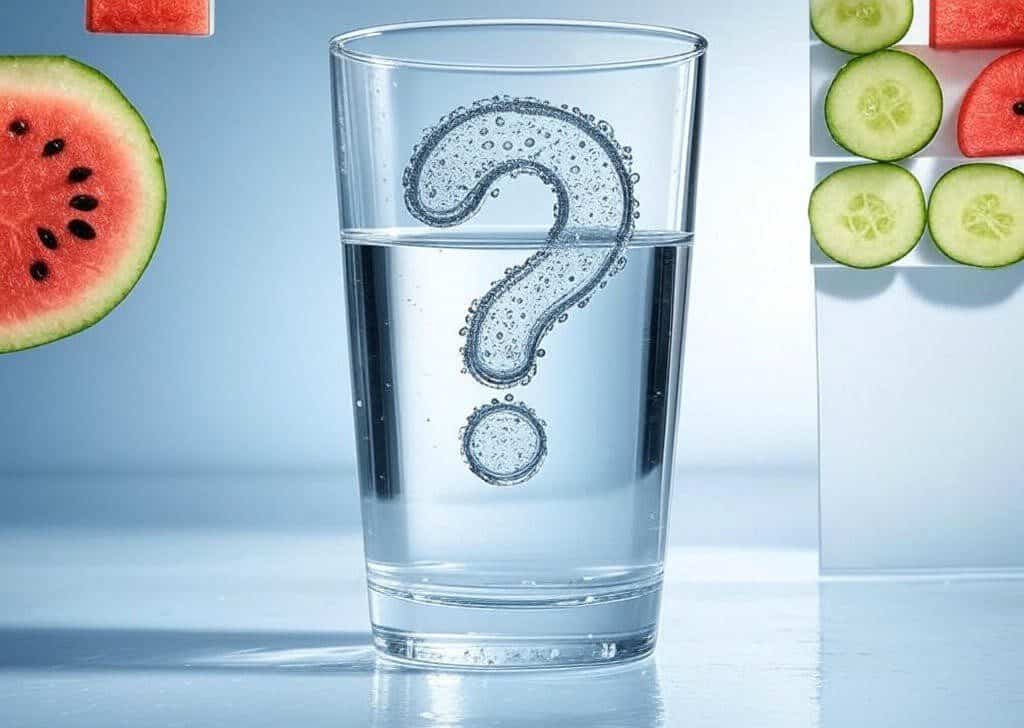
Hydration doesn’t only come from water. Tea, coffee, milk, juice, fruits, vegetables, and soups all contribute. Foods like cucumbers, watermelon, and strawberries are over 90% water and help keep you hydrated without sipping from a bottle.
Even coffee—long thought to be dehydrating—has been redeemed. Studies show that moderate coffee intake contributes to daily fluid needs. Source: Cleveland Clinic
When to Pay Closer Attention
Some people do need to watch hydration more closely:
- Pregnant or breastfeeding women
- Athletes or those exercising in hot climates
- People with kidney stones or urinary tract conditions
- Older adults (they may have a diminished sense of thirst)
In these cases, extra effort to hydrate is smart—but again, that doesn’t always mean pounding eight full glasses of water.
Final Thoughts: Listen to Your Body, Not Just the Guidelines
The “8 glasses a day” rule isn’t harmful—but it’s not gospel. The real hydration sweet spot? It depends on you. Drink when you’re thirsty, eat plenty of hydrating foods, and pay attention to your body’s signals.
Turns out, your bladder is a better hydration coach than your social media feed. Imagine that.
Keywords: 8 glasses of water myth, daily water intake guide, hydration science, how much water to drink, signs of dehydration

Lena Carter is a contributing writer for The Daily Well, focusing on practical routines, family systems, and everyday strategies for modern households. With experience managing the demands of a busy home and balancing the realities of modern family life, her work centers on simple, sustainable approaches that reduce stress and create more stability in the day-to-day.
Her writing explores parenting routines, household organization, emotional overwhelm, and the small systems that help families function more smoothly in real life — not just in theory.