In today’s fast-paced world, teaching kids empathy is more important than ever. Empathy—the ability to understand and share the feelings of others—lays the foundation for kindness, cooperation, and strong relationships. One powerful way to nurture this trait in children is through family volunteering. By giving back together, families not only make a difference in their communities but also create meaningful experiences that shape compassionate kids. Let’s explore age-appropriate volunteering activities that bring families closer while fostering empathy, with practical ideas to get started.
Why Family Volunteering Builds Empathy
Volunteering exposes kids to diverse perspectives, helping them see beyond their own experiences. When children witness the challenges others face—like hunger, loneliness, or a littered environment—they begin to understand the importance of kindness and action. According to the National Association for the Education of Young Children (NAEYC), engaging in prosocial activities like volunteering helps kids develop emotional intelligence, a key component of empathy. Plus, doing this as a family reinforces shared values and creates lasting memories.
Age-Appropriate Volunteering Ideas for Families
Volunteering doesn’t have to be complicated or time-intensive. Here are three activities tailored for kids of different ages, ensuring everyone can participate meaningfully.

1. Neighborhood Cleanup (Ages 3–10)
A neighborhood cleanup is a fantastic way to introduce young kids to the concept of caring for their community. Gather gloves, trash bags, and a few enthusiastic family members, and head out to pick up litter in a local park or street. For preschoolers (ages 3–5), focus on simple tasks like collecting sticks or small pieces of trash, while older kids (ages 6–10) can take on more responsibility, like sorting recyclables.
This activity teaches kids to value their environment and shows them the direct impact of their efforts—a cleaner space for everyone to enjoy. It also sparks conversations about why littering happens and how small actions can help others, fostering empathy for both nature and neighbors. The Environmental Protection Agency (EPA) offers resources on organizing community cleanups, which can help you plan a safe and effective event.
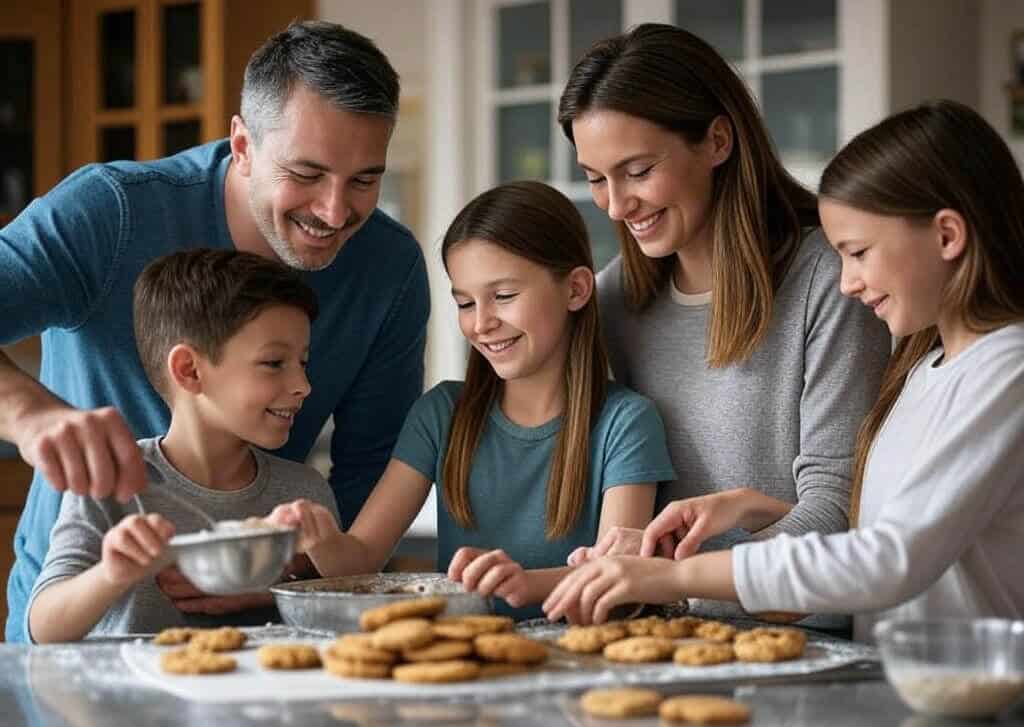
2. Baking for a Local Shelter (Ages 5–12)
For kids who love to get messy in the kitchen, baking treats for a local shelter is a sweet way to give back. Choose simple recipes like no-bake cookies or banana bread that kids can help with—measuring ingredients, stirring, or decorating. Call ahead to your local shelter to confirm their needs and drop-off policies.
This activity helps kids understand that not everyone has access to food or a warm home, encouraging them to think about others’ needs. For example, while mixing dough, you might say, “Some people don’t have enough to eat, so we’re making cookies to share a little happiness.” Kids aged 5–8 can focus on the fun of baking, while older children (9–12) might enjoy writing kind notes to include with the treats. This hands-on experience builds compassion by connecting their actions to real people in need.
3. Making Cards for Seniors (Ages 4–10)
Loneliness can be a big challenge for seniors, especially in nursing homes. Gather some paper, crayons, and stickers, and have your kids create heartfelt cards to brighten someone’s day. Younger kids (ages 4–6) can draw pictures or add stickers, while older ones (7–10) can write short messages like, “You’re amazing!” Contact a nearby senior center to arrange a drop-off or mail the cards.
This activity helps kids imagine how others might feel, a core aspect of empathy. You can ask, “How would you feel if you didn’t have anyone to talk to? Let’s make a card to make someone smile!” The AARP highlights the importance of combating senior isolation, making this a meaningful way to contribute.
How These Experiences Foster Compassion
Volunteering as a family does more than just help the community—it shapes how kids see the world. When children participate in a cleanup, they learn to care for shared spaces and understand the impact of neglect. Baking for a shelter shows them that small acts of kindness can address big problems like hunger. Creating cards for seniors teaches them to consider the emotions of others, even strangers.
These experiences also provide natural opportunities for reflection. After each activity, talk with your kids about what they learned. Ask questions like, “How do you think the senior felt when they got your card?” or “Why is it important to keep our park clean?” These discussions, paired with action, help empathy take root.
Getting Started: Tips for Family Volunteering
Start small—choose one activity and set aside a few hours on a weekend. Involve your kids in the planning process to build excitement. Most importantly, model enthusiasm and kindness during the activity; your attitude will shape how your children view giving back. Over time, these experiences will become a cherished family tradition, reinforcing empathy as a core value.
Final Thoughts
Family volunteering is a win-win: it strengthens your bond, supports your community, and teaches kids the power of compassion. Whether you’re picking up trash, baking cookies, or crafting cards, each act of giving back plants seeds of empathy that will grow with your children. So gather your family, roll up your sleeves, and make a difference together—one kind deed at a time.
Keywords: family volunteering ideas, teaching kids empathy, volunteering with kids, empathy activities for children, family giving back

Lena Carter is a contributing writer for The Daily Well, focusing on practical routines, family systems, and everyday strategies for modern households. With experience managing the demands of a busy home and balancing the realities of modern family life, her work centers on simple, sustainable approaches that reduce stress and create more stability in the day-to-day.
Her writing explores parenting routines, household organization, emotional overwhelm, and the small systems that help families function more smoothly in real life — not just in theory.



