
The public vs private school question hits most families at least once—often in kindergarten, again in middle school, and sometimes in a moment of crisis when the current situation isn’t working. The decision feels enormous because it is: school shapes your child’s days, your family’s rhythms, and often your budget for years. But the question isn’t which system is objectively better. It’s which trade-offs your family can live with, and which ones will quietly erode your peace of mind over time.
Sometimes what looks like a school problem is actually a learning style issue, a social struggle, or a child moving through a difficult season. We cover more of those questions in our school and learning guides
Most parents start the parenting and school-choice conversation by Googling test scores and tuition rates. Those matter, but they’re not the variables that predict regret. The families who feel most confident about their public vs private school choice—three years in—are the ones who understood what they were trading before they signed the enrollment form.
The Trade-Off Visibility Framework
Key Insight: Most school-choice regret stems not from picking the “wrong” system, but from misunderstanding which specific trade-offs would become weight-bearing in your family’s daily life.
When families assess public vs private school options, they tend to fixate on the big, visible differences—tuition, test scores, teacher credentials—and underweight the small, recurring friction points that actually shape a family’s experience: commute length, schedule flexibility, parental volunteerism expectations, and how aligned the school culture is with your household values. The variables that predict long-term satisfaction are often invisible during the tour.
- Tuition is a one-time annual decision; commute is a daily tax on time and energy
- Average class size tells you less than teacher retention and administrative responsiveness
- Curriculum rigor matters less than curriculum flexibility when your child’s learning profile shifts
- The “community” you’re buying into includes expectations—financial, time, social—that aren’t on the website
Before you compare schools, map your family’s non-negotiables and hidden vulnerabilities—then evaluate how each option loads weight onto those specific points.
The Cost Equation: Beyond Tuition in Public vs Private School
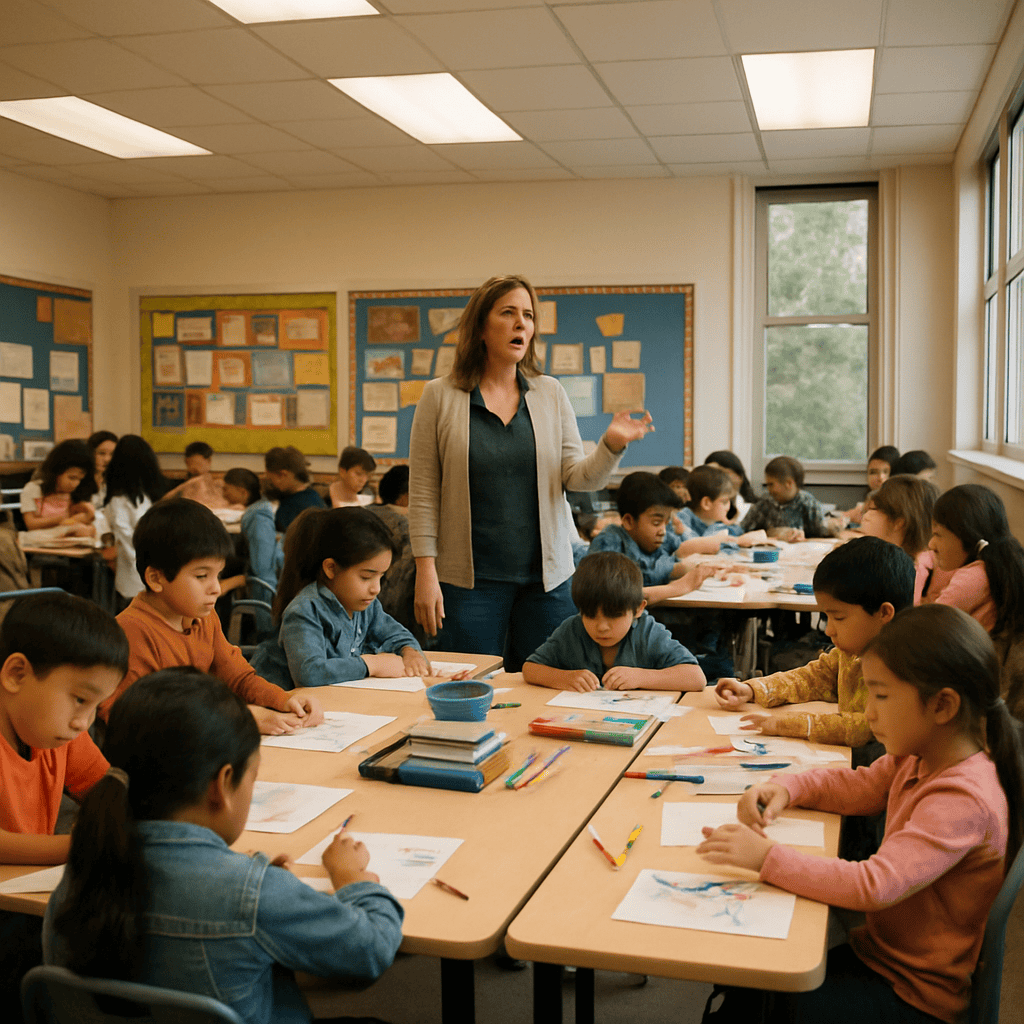
Private school tuition averages $12,000 to $30,000+ annually depending on region and grade level, and that’s before fees, uniforms, fundraisers, and the social expectation to participate in auction events or capital campaigns. Public vs private school conversations often start and end with this number, but the true cost comparison is more textured.
Public schools are tuition-free, but not cost-free. Families in well-resourced public districts often face “voluntary” donations, PTA dues, classroom wishlists, field-trip fees, and after-school enrichment costs that can total $2,000 to $5,000 per year. In under-resourced districts, parents may hire private tutors, pay for summer programs, or invest in extracurriculars outside school to fill gaps—expenses that wouldn’t exist in a more robust private environment.
According to GreatSchools’ guide to public, private, and charter schools, the financial trade-off isn’t just tuition versus zero—it’s predictable line-item expenses versus unpredictable gap-filling. Private school families know what they’ll pay each August. Public school families navigate a constantly shifting landscape of asks, and the total can surprise them.
For families weighing public vs private school, the question to ask isn’t “Can we afford tuition?” It’s “What financial model creates less ongoing stress for our household—a large known expense, or a series of smaller unpredictable ones?” The answer depends on your income stability, your tolerance for saying no to requests, and whether you have capacity to fundraise or volunteer in lieu of cash contributions.
Class Size, Teacher Quality, and What Actually Predicts Outcomes

Private schools frequently advertise smaller class sizes—12 to 18 students versus 22 to 30 in many public schools—and parents assume this automatically translates to better outcomes. It often does, but not always, and not for every child. The public vs private school research on class size shows benefits plateau around 18 students, and the quality of the teacher matters more than the headcount.
What smaller classes do reliably provide: more opportunities for your child to speak, faster feedback loops, and fewer places to hide when they’re struggling or disengaged. In a private setting with 14 kids, a teacher notices mood shifts, incomplete homework, and social friction faster. In a public school class of 28, even an excellent teacher is doing triage.
But teacher quality and retention vary widely. Some public school districts—especially in affluent areas—attract and retain exceptional teachers with strong union protections, benefits, and collegial culture. Some private schools cycle through young, underpaid teachers every two years because they can’t compete with public-sector salaries and retirement plans. Before choosing, ask about teacher tenure, not just credentials. A teacher in year seven knows the school’s systems, the community’s families, and has refined their craft. A teacher in year two is still learning.
Private vs public school comparison on teacher quality should also account for specialization. Public schools are required to provide special education services, ELL support, and accommodations under federal law. Private schools are not, and many lack robust learning-support infrastructure. If your child has an IEP, a 504 plan, or any learning difference, public school may offer more—and more legally protected—support, even if class sizes are larger.
Curriculum, Values, and the Question of Fit in Public vs Private School
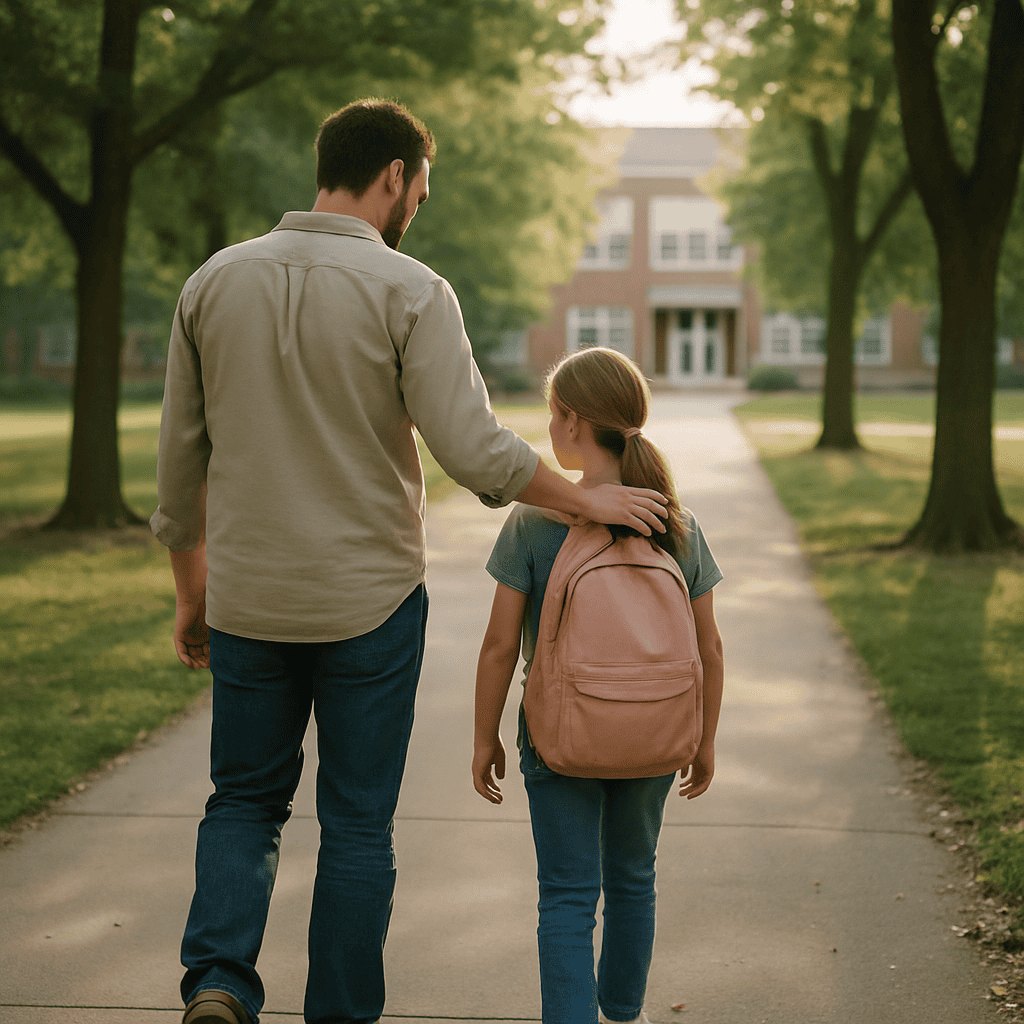
Private schools offer curricular freedom that public schools don’t have. They can choose culturally responsive pedagogies, adopt specific educational philosophies (Montessori, Waldorf, classical, project-based), or integrate religious instruction. Public schools follow state standards, use state-approved curricula, and operate within a framework that aims for broad consensus—which means they’re slower to innovate and less able to reflect niche values.
For some families, this is precisely why they choose public vs private school in favor of public: they want their child in a environment that reflects the demographic, economic, and ideological diversity of the wider world. Public schools, especially in urban and suburban areas, bring together kids from across income levels, family structures, and belief systems. Private schools, even those that offer financial aid, tend to be more homogenous.
Other families prioritize alignment. They want a school where the values taught in the classroom match the ones taught at home—whether that’s religious faith, a specific approach to gender and identity, or a pedagogical philosophy like inquiry-based learning or Direct Instruction. Private schools can offer that alignment. Public schools, by design, cannot tailor their values curriculum to individual families.
One underexplored dimension of public vs private school fit: how much energy you’re willing to spend bridging gaps. If your child attends a public school whose values or approaches conflict with yours, you’ll spend time at home re-teaching, re-framing, or debriefing. If they attend a private school that lacks diversity or real-world friction, you’ll spend time exposing them to perspectives and experiences the school doesn’t provide. Neither is free. Both require intentional parenting. The question is which kind of補 work you’re better equipped to do.
Community, Expectations, and the Hidden Social Contract
When you enroll in any school, you’re opting into a community with unwritten rules. Private schools often come with high expectations for parental involvement—not just attendance at events, but service on committees, participation in fundraising, and social fluency with other families. Some parents find this energizing. Others find it exhausting, exclusionary, or at odds with their work schedule.
Public schools vary widely. Some have active PTAs with near-mandatory involvement. Others have minimal parent culture and expect you to drop off and pick up without much integration. In under-resourced public schools, parental advocacy is often essential—you may need to push for services, request specific teachers, or rally other parents to address systemic gaps. That takes time, confidence, and cultural capital. Families who lack those resources often feel alienated, even in a “free” system.
The private vs public school comparison should include an honest assessment of your capacity and desire for involvement. If you work unpredictable hours, travel frequently, or are a single parent without backup, a school that assumes high volunteerism may not be sustainable—even if you love everything else about it. Conversely, if you want to be deeply involved in shaping your child’s school experience and have the time to do so, a private school with a tight-knit parent culture may feel like a gift.
Another consideration: peer culture and socioeconomic homogeneity. Private school families often share similar income levels, which can mean your child’s friends all vacation in similar places, wear similar clothes, and have similar extracurricular opportunities. That can reduce friction or increase it, depending on where your family falls on the income spectrum within that group. Public schools typically have wider socioeconomic diversity, but that also means navigating conversations about privilege, access, and fairness earlier and more frequently.
Flexibility, Transitions, and What Happens When It’s Not Working
One of the least-discussed dimensions of public vs private school choice is reversibility. Switching from public to private mid-year or mid-elementary is logistically easier than switching from private to public, because public schools must accept you (if there’s space) and private schools do not. But the emotional and social cost of switching can be high in either direction.
Private schools can also close, combine, or change leadership and philosophy abruptly. Small private schools, especially those without large endowments, are vulnerable to enrollment drops, financial mismanagement, or founder transitions. Public schools have more structural stability—they won’t close without significant notice and a district-wide process—but they can experience leadership churn, budget cuts, and program eliminations that feel destabilizing.
Before you commit, consider: What would need to be true for us to switch? How disruptive would that switch be academically, socially, financially? Some families choose public vs private school based partly on flexibility—they want the option to pivot without forfeiting tuition or waiting for an acceptance decision. Others are comfortable locking in, knowing that stability and continuity matter more to their child than optionality.
If your child has a learning difference, social anxiety, or any condition that makes transitions harder, factor that into your decision. The “right” school is the one your child can stay in long enough to build relationships, routines, and trust. A perfect-on-paper private school that you can only afford for two years may be less beneficial than a good-enough public school they can attend from kindergarten through eighth grade.
How to Decide: A Framework for Public vs Private School
Most families won’t find a school that checks every box. The goal is to choose the trade-offs you can live with and plan around the gaps. Here’s a framework adapted from GreatSchools’ guide on choosing the right school:
Step 1: List your non-negotiables. These are the factors that, if absent, will cause chronic stress or regret—not because they’re “nice to have,” but because their absence conflicts with your family’s structure, values, or your child’s needs. Examples: proximity to home, learning support for ADHD, religious instruction, socioeconomic diversity, schedule flexibility for working parents.
Step 2: Tour and ask the invisible questions. Don’t just ask about curriculum and test scores. Ask: What happens when a child struggles behaviorally? How do you handle conflicts between parents and teachers? What’s your teacher retention rate? How much weekend or evening involvement is expected? What do families say they wish they’d known before enrolling?
Step 3: Stress-test the financials. For private school, model the full cost—tuition, fees, uniforms, travel for sports or field trips, summer camps the school culture assumes you’ll attend. Then ask: Can we sustain this for how many years? What would we cut elsewhere, and are we okay with that? For public school, research the hidden costs—PTA dues, classroom donations, after-school care, supplemental tutoring—and model those too.
Step 4: Name the trade-offs out loud. If you’re choosing public vs private school in favor of private, you might be trading financial flexibility and socioeconomic diversity for smaller classes and curricular alignment. If you’re choosing public, you might be trading individualized attention and values alignment for cost savings and legal protections for learning differences. Neither is wrong. Both come with trade-offs. The families who feel most at peace with their choice are the ones who named those trade-offs early and built strategies to address them.
Step 5: Re-evaluate every few years. The right school for a kindergartner may not be the right school for a fifth grader. Some families do public elementary and private middle school. Others start private and switch to public when high school sports or arts programs outpace what the private school offers. Flexibility is a feature, not a failure. The public vs private school decision is not a permanent identity marker. It’s a tool you adjust as your child and your circumstances change.
Frequently Asked Questions

Lena Carter is a contributing writer for The Daily Well, focusing on practical routines, family systems, and everyday strategies for modern households. With experience managing the demands of a busy home and balancing the realities of modern family life, her work centers on simple, sustainable approaches that reduce stress and create more stability in the day-to-day.
Her writing explores parenting routines, household organization, emotional overwhelm, and the small systems that help families function more smoothly in real life — not just in theory.



