
Budgeting isn’t exactly romantic—but it can be relationship-saving. For couples in their 20s just starting life together, building a budget isn’t just about bills. It’s about trust, priorities, and creating a future where money adds to your partnership, instead of stressing it.
Whether you’re moving in together, combining accounts, or just trying to stop arguing over takeout, here’s how to build a couple’s budget that works—and won’t make you feel like you’re putting love on lockdown.
Step 1: Know Where You’re Starting—Together
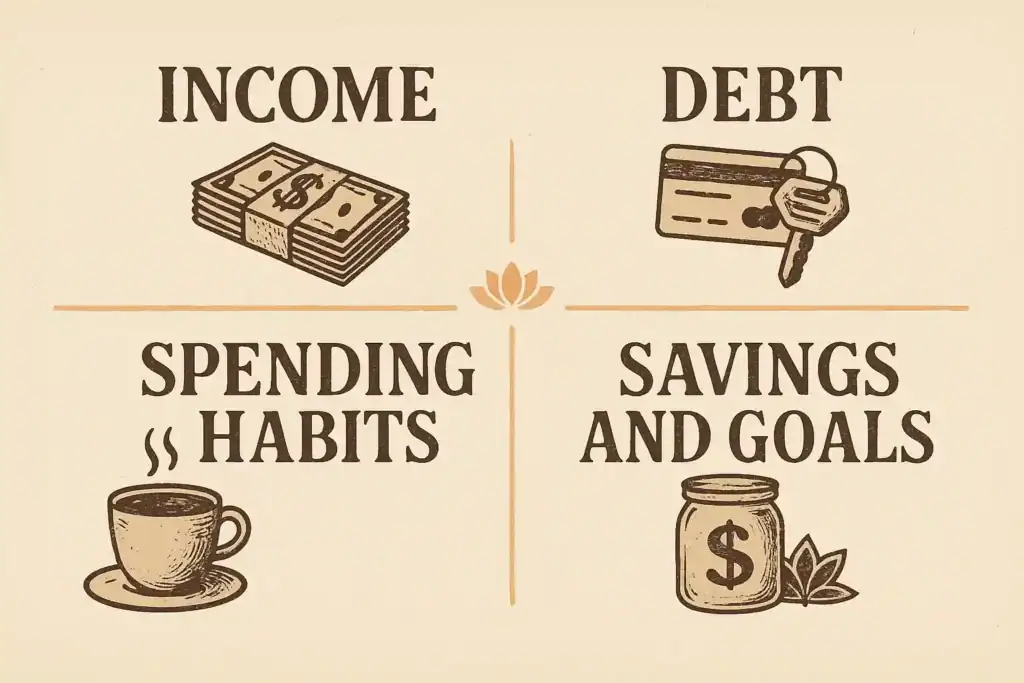
Before you create a budget, get on the same financial page. That means laying everything out:
- Income (salary, freelance, side hustles)
- Debt (student loans, credit cards, car payments)
- Spending habits (subscriptions, food, coffee habits)
- Savings accounts and goals
Use a shared budgeting tool like Honeydue, Zeta, or a simple Google Sheet to track your totals. Or if you’re looking to keep it separate-but-transparent, Splitwise makes it easy to see who’s paying what.
If you haven’t already had the money talk, this is a good time to check out our guide to combining finances when you’re not married—it’s packed with smart boundaries and setup tips.
Step 2: Choose a Budgeting Style That Fits Your Relationship
There are a few popular systems couples use:
- The 50/30/20 rule: 50% needs, 30% wants, 20% savings/debt
- The “Yours, Mine, Ours” method: Each partner keeps an individual account and contributes to a shared one for bills, rent, and goals
- Proportional contributions: Each partner pays based on income percentage (great when one person earns more than the other)
There’s no “best” way—only what works for your relationship. Be flexible, especially if one partner has unpredictable income. And remember: this is your plan, not your parents’ or a TikTok influencer’s plan. Yours.
Step 3: Budget for Joy, Not Just Bills
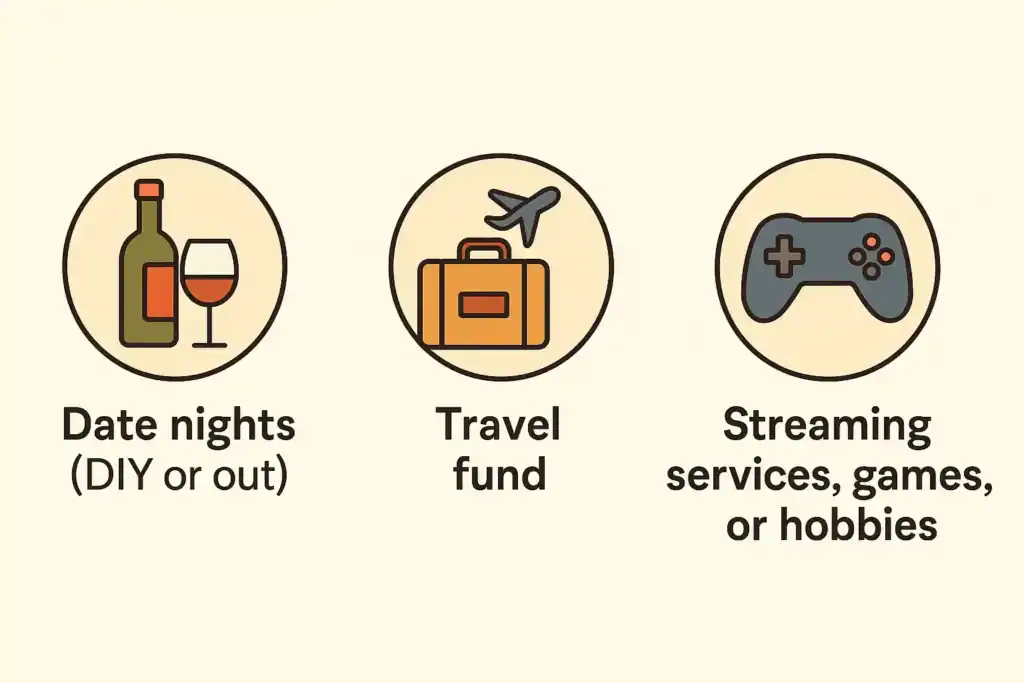
A couple’s budget shouldn’t be about what you can’t do. Focus on the stuff you can do. Build in space for what you love:
- Date nights (DIY or out)
- Travel fund
- Streaming services, games, or hobbies
If you need to cut back, try our No-Spend Summer Challenge to reset your spending habits together—and find free ways to have fun.
Step 4: Build a Safety Net Together
Financial security is sexy. Seriously. Every couple budget should include:
- Emergency fund: Aim for 1–3 months of shared expenses
- Debt payments: List loans and credit cards from both parties
- Retirement savings: Yes, even now! Check out why a Roth IRA is perfect for couples in their 20s
Use automation to build savings slowly over time. Many banks let you auto-transfer small amounts each week so it doesn’t feel painful.
Step 5: Schedule Monthly Money Dates
Once a month, sit down—maybe with a glass of wine or Sunday coffee—and check in. Review your progress, talk about upcoming expenses, and celebrate any wins. Keeping money talk regular and relaxed keeps resentment and surprises at bay.
Make it part of your routine, just like meal planning or grocery runs. Eventually, it becomes second nature.

Step 6: Budgeting ≠ Merging Identities
Even if you’re building a shared financial future, each person still needs some autonomy. Consider giving each partner a set amount of “fun money” each month—no judgment, no questions. It keeps things light and reduces nitpicking over small purchases.
Final Thought: A Budget Isn’t a Buzzkill—It’s a Roadmap
Budgeting as a couple doesn’t mean giving up freedom. It means building a roadmap you both believe in. When done right, a shared budget gives you clarity, peace of mind, and the freedom to spend money without guilt—because you planned for it. Nothing is more of a buzzkill than financial surprises! (Unless you win the lottery–who would’ve love that kind of financial surprise?)

Ethan Cole is a contributing writer for The Daily Well covering parenting technology, screen-time culture, family systems, and modern household organization. His background includes graduate work in business and finance, along with experience in operations, consulting, and technology systems architecture.
His work focuses on reducing real-world friction for busy families navigating modern life, with a particular interest in digital overwhelm, technology habits, productivity systems, and the intersection between modern parenting and everyday technology.



