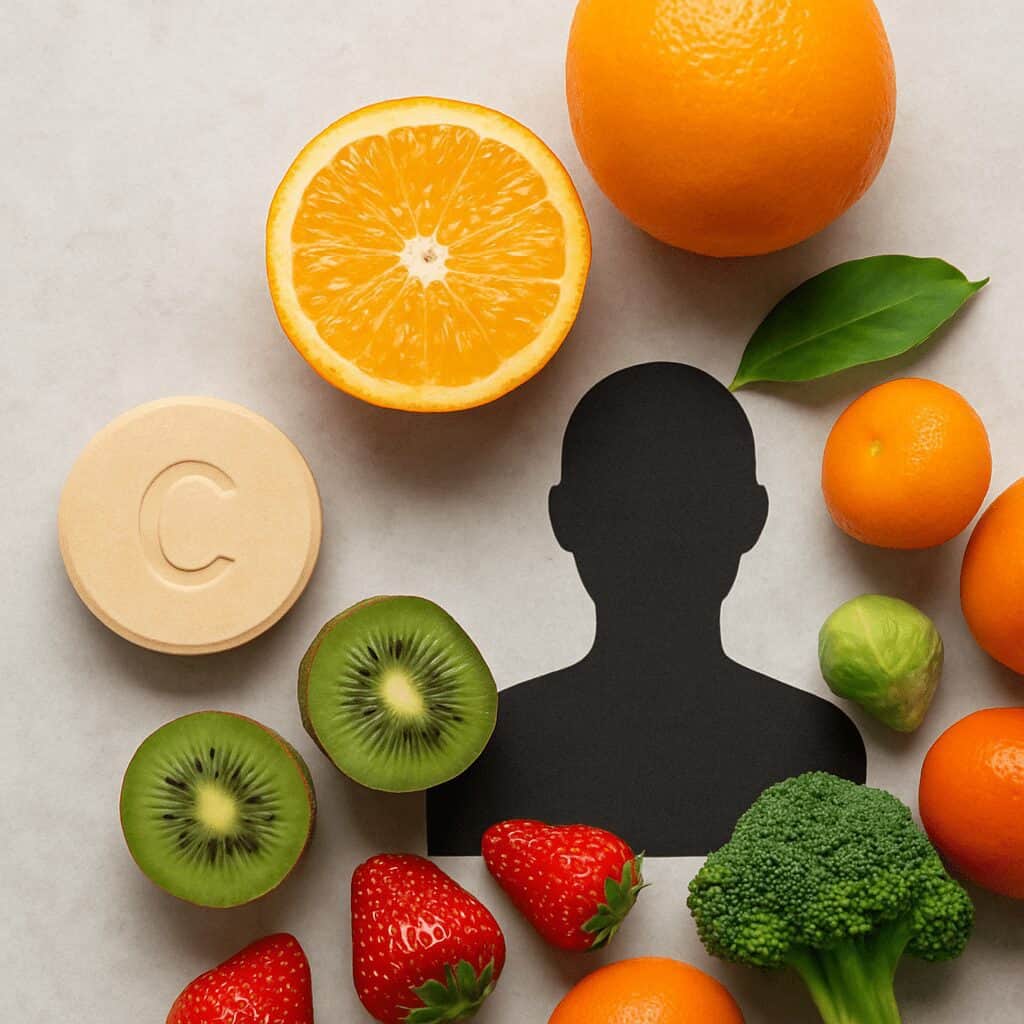
Vitamin C—aka ascorbic acid—is the immunity-boosting, collagen-building, antioxidant powerhouse we all associate with oranges and cold prevention. But how many Americans are actually getting enough of it? Are we in the clear, or are we quietly skating toward deficiency?
The Good News: Full-Blown Deficiency Is Rare
Let’s get this out of the way—actual scurvy (yes, the pirate disease) is extremely rare in the U.S. Most Americans get enough vitamin C to avoid that level of deficiency. According to the Centers for Disease Control and Prevention (CDC), less than 10% of the U.S. population is vitamin C deficient. Source: NIH
Still, suboptimal levels are more common than you might think. Studies show that smokers, older adults, people with poor diets, and those dealing with chronic illness are more likely to have lower-than-ideal levels.
Why Do Some People Fall Short?
Several factors contribute to vitamin C gaps:
- Diet: Highly processed diets low in fruits and vegetables lack natural sources of vitamin C.
- Smoking: Cigarettes deplete vitamin C rapidly. Smokers need up to 35 mg more per day than nonsmokers, according to the National Institutes of Health (NIH). Source: NIH
- Medical Conditions: Digestive disorders and chronic illnesses can affect absorption or increase the body’s need.
- Aging: Older adults often eat less produce and may have impaired absorption.
While most people won’t feel the effects of a slight dip in vitamin C, low levels can lead to fatigue, weakened immunity, and slower wound healing over time.
How Much Vitamin C Do You Actually Need?
The recommended dietary allowance (RDA) is 90 mg per day for adult men and 75 mg for adult women. That’s the equivalent of one large orange or a cup of strawberries. However, some experts suggest that aiming higher—up to 200 mg/day from food—is a better target for optimizing antioxidant activity.
Dr. Mark Moyad, a vitamin C researcher at the University of Michigan, notes that “while the RDA prevents scurvy, it’s not necessarily the optimal dose for health maintenance.”
Bonus points for Vitamin C: the chemical name for it L-ascorbic acid, is what helps your body biosynthesize collagen. So if you’re taking collagen supplements, good old Vit-C can help your body absorb them! Even better, vitamin C is linked to lowering the risk of most types of cancer due to its antioxidant properties.

Best Sources of Vitamin C
You don’t need fancy supplements to hit your vitamin C goals. In fact, overloading on supplements can backfire—mega-doses (over 2,000 mg/day) may cause stomach upset or kidney stones.
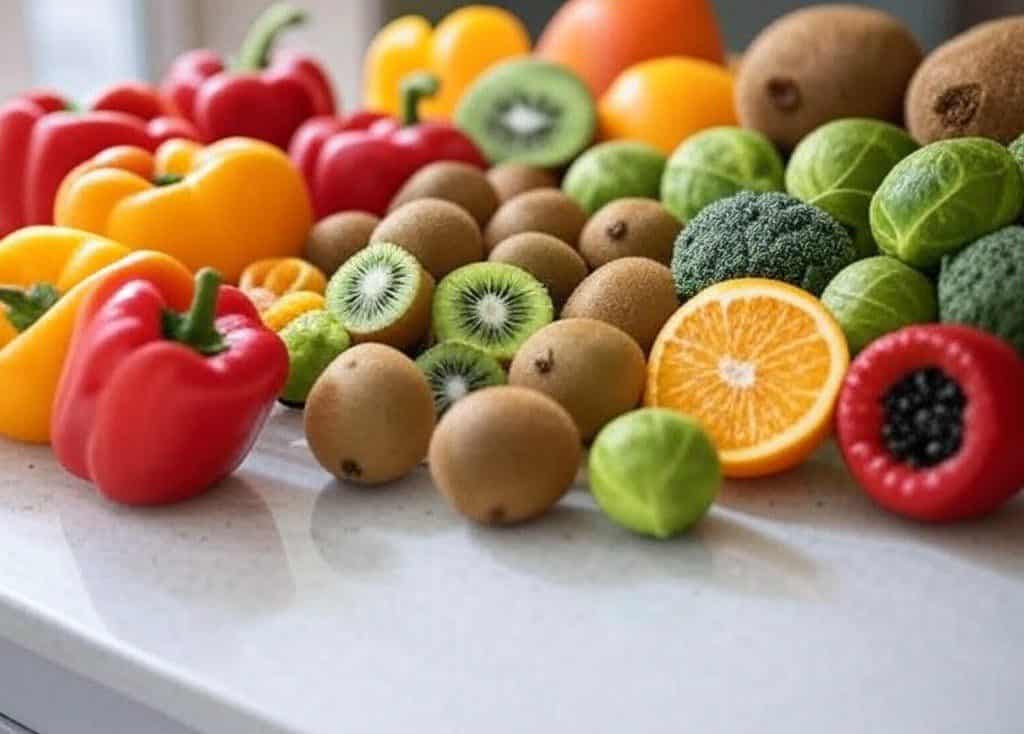
Instead, focus on whole foods like:
- Bell peppers
- Kiwis
- Strawberries
- Oranges and citrus fruits
- Broccoli and Brussels sprouts
Cooking can reduce vitamin C content, so try to include some raw fruits and veggies each day.
Should You Supplement?
If you eat a balanced diet rich in produce, you’re probably covered. But if you smoke, have digestive issues, or just can’t seem to get enough fresh fruits and vegetables, a modest supplement (around 250–500 mg/day) can help fill the gap.
Dr. Tieraona Low Dog, an integrative medicine expert and author of Fortify Your Life, advises that “it’s safe and potentially beneficial to supplement vitamin C—especially during cold and flu season—but food should be the foundation.”
Final Thoughts: You Probably Get Enough—But Could Do Better
Most Americans aren’t walking around on the verge of scurvy—but many of us aren’t hitting optimal levels either. If you’re relying on fast food and skipping the produce aisle, you might want to rethink your plate.
Eating more vitamin C-rich foods is an easy, affordable, and tasty way to support your immune system, skin, and overall vitality. It’s not just about not being deficient—it’s about thriving.
Keywords: vitamin C deficiency in America, signs of low vitamin C, how much vitamin C do I need, vitamin C rich foods, supplementing vitamin C

Lena Carter is a contributing writer for The Daily Well, focusing on practical routines, family systems, and everyday strategies for modern households. With experience managing the demands of a busy home and balancing the realities of modern family life, her work centers on simple, sustainable approaches that reduce stress and create more stability in the day-to-day.
Her writing explores parenting routines, household organization, emotional overwhelm, and the small systems that help families function more smoothly in real life — not just in theory.
