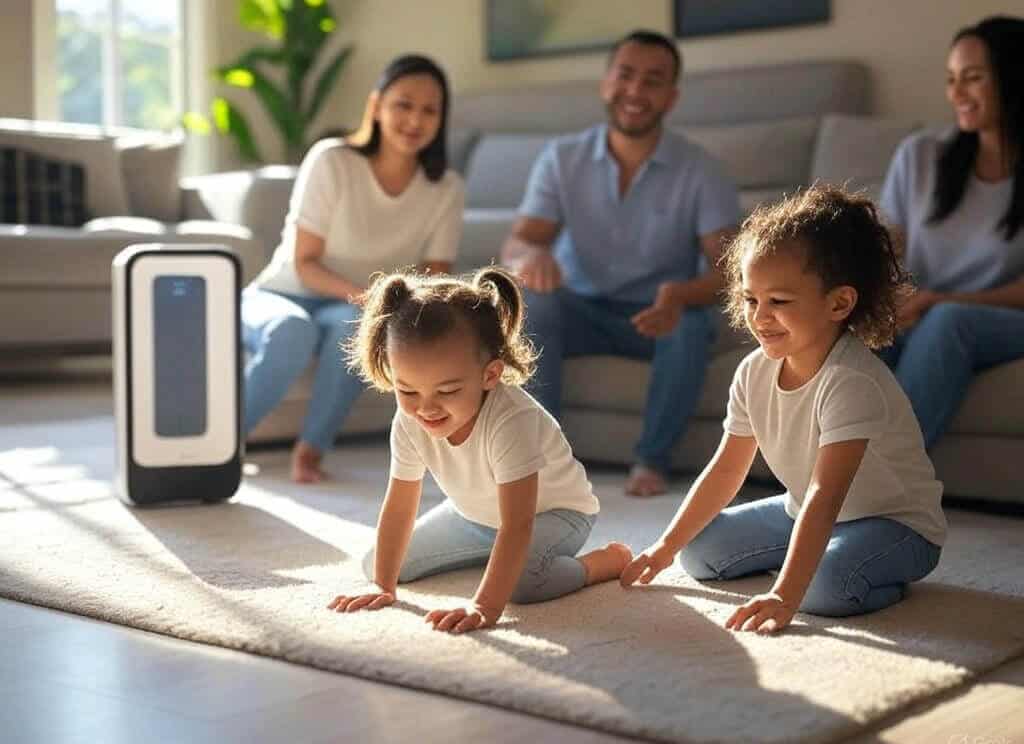
Indoor air quality often gets overlooked, yet it plays a huge role in family health. Dust, pollen, pet dander, and other pollutants can trigger allergies or worsen respiratory issues, especially for young children or family members with asthma. Fortunately, portable air purifiers offer a practical solution. These wellness-focused gadgets are designed to improve air quality, making them essential for families. Let’s explore how portable air purifiers work, their benefits, and why they’re a must-have for a healthier home environment.
How Portable Air Purifiers Work
First, understanding how air purifiers function is key. Most portable models use HEPA filters, which capture 99.97% of particles as small as 0.3 microns, including dust, pollen, and pet dander. Some also include activated carbon filters to tackle odors and volatile organic compounds (VOCs). Air is drawn into the device, filtered, and then released back into the room, cleaner and fresher. Many units are compact, often weighing less than 5 pounds, making them easy to move between rooms or pack for travel. This design ensures flexibility for families on the go.
Benefits for Family Health
Moreover, portable air purifiers offer significant health benefits. Poor air quality can lead to sneezing, coughing, or even asthma attacks, particularly during allergy seasons. The American Lung Association notes that indoor air can be more polluted than outdoor air due to trapped allergens. By removing these irritants, air purifiers reduce symptoms for allergy sufferers. For families with young kids, this is crucial since children’s lungs are still developing and more vulnerable to pollutants. Cleaner air means fewer sick days and better overall well-being.
Supporting Respiratory Health
Additionally, these devices are a game-changer for those with respiratory issues. Asthma affects millions of children, and triggers like dust mites or pet dander can worsen symptoms. A portable air purifier can create a safe breathing zone in a child’s bedroom or play area. According to the Centers for Disease Control and Prevention (CDC), reducing exposure to allergens can lower asthma flare-ups. Therefore, placing a purifier in high-traffic areas helps protect vulnerable family members, ensuring they breathe easier every day.
Ideal for Family Travel
Another advantage is their portability. Many air purifiers are small enough to fit in a carry-on bag, making them perfect for family trips. Hotels or vacation rentals might have unknown air quality issues, like mold or lingering smoke odors. Bringing a portable purifier ensures your family has clean air wherever you go. Some models even run on USB power, so you can use them in a car during road trips. This flexibility makes them a practical choice for families who love to travel but prioritize health.
Enhancing Sleep Quality
Furthermore, cleaner air can improve sleep quality. Allergens like pollen or dust can disrupt sleep by causing nasal congestion or coughing. A portable air purifier in the bedroom removes these irritants, creating a calmer environment. The National Sleep Foundation highlights that better air quality leads to deeper, more restful sleep. For parents and kids alike, this means waking up refreshed and ready for the day. Many purifiers also operate quietly, ensuring they don’t disturb light sleepers.
Choosing the Right Air Purifier
However, selecting the right purifier requires some research. Look for a model with a HEPA filter for allergen removal and a carbon filter for odors. Check the Clean Air Delivery Rate (CADR) to ensure it suits your room size—most portable models are best for spaces under 200 square feet. Also, consider noise levels, especially for bedroom use. Some purifiers offer additional features like air quality sensors or timers, which can be handy for busy families. Always compare options to find one that fits your needs.
Maintenance Tips for Best Performance
On the other hand, proper maintenance is essential. HEPA filters typically need replacing every 6 to 12 months, depending on usage. Washable pre-filters should be cleaned monthly to keep the device running efficiently. Ignoring maintenance can reduce effectiveness, allowing pollutants to build up. Additionally, place the purifier in an open area, away from walls, to maximize airflow. These simple steps ensure your air purifier continues to protect your family’s health over time.
Where to Use Air Purifiers at Home
Also, think about placement in your home. High-traffic areas like the living room or kitchen often collect more dust and odors. A child’s bedroom is another key spot, especially if they have allergies or asthma. During allergy season, you might move the purifier to wherever the family spends the most time. For smaller homes, one device can cover multiple rooms if moved as needed. This versatility makes portable air purifiers a smart investment for any family.
Why They’re a Wellness Essential
In conclusion, portable air purifiers are a must-have for family wellness. They improve air quality, reduce allergy symptoms, and support respiratory health, making your home a safer space. Their portability ensures clean air at home or on the go, while also enhancing sleep quality for everyone. By incorporating a purifier into your daily routine, you’re taking a proactive step toward better health. So, consider adding one to your family’s wellness toolkit and breathe easier every day.
Keywords: portable air purifiers family health, air purifier for allergies, improve indoor air quality, family wellness gadget, HEPA filter benefits

Ethan Cole is a contributing writer for The Daily Well covering parenting technology, screen-time culture, family systems, and modern household organization. His background includes graduate work in business and finance, along with experience in operations, consulting, and technology systems architecture.
His work focuses on reducing real-world friction for busy families navigating modern life, with a particular interest in digital overwhelm, technology habits, productivity systems, and the intersection between modern parenting and everyday technology.
