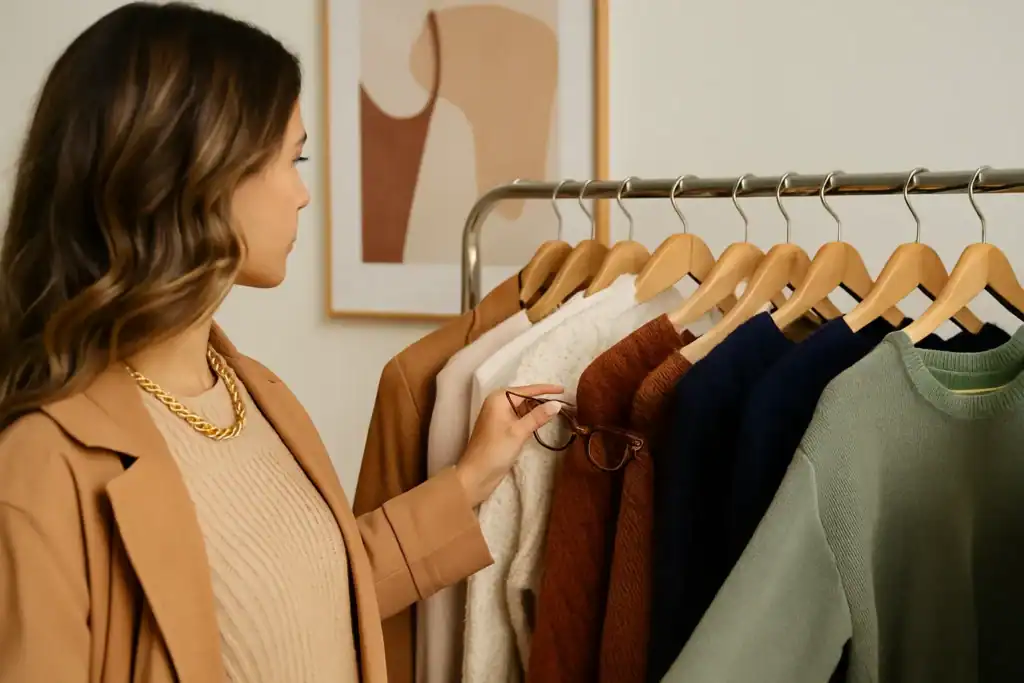
Why secondhand is trending harder than ever
Thrifting isn’t just for broke college students anymore. Thanks to a perfect storm of sustainability awareness, inflation, and TikTok-fueled hauls, secondhand shopping is officially in style. In fact, a 2023 report by ThredUp projects that the secondhand clothing market will double by 2027, hitting $70 billion globally. So what are you waiting for? Let’s thrift like a stylist! Here’s how to do your best thrifting.
Let’s be honest—secondhand shopping can be overwhelming. Crowded racks, unclear pricing, and inconsistent sizing can scare off even the most motivated bargain hunter. That’s why learning to thrift like a stylist is key. With a few simple strategies, you can score designer looks, elevate your personal style, and do it all without blowing your budget—or your weekend.
Start with a vision, not a vibe
Before diving into your local thrift store or favorite online consignment app, start with a clear goal. Stylists don’t shop aimlessly; they curate based on themes, needs, and client lifestyle. Ask yourself:
- What gaps do I need to fill in my wardrobe or home?
- Is there a color palette or style I’m drawn to right now?
- Am I looking for staples or statement pieces?
Try creating a mini mood board on Pinterest or Instagram. Knowing what you’re hunting for will make it easier to spot gems and avoid impulse buys. If you’re shopping online, sites like Poshmark or Depop allow you to filter by size, style, brand, and price.

Master the “scan and swoop” method
Professional stylists often use what’s known as the “scan and swoop.” Rather than inspecting every single hanger, train your eye to scan for fabric quality, color, and structure. Natural fibers like cotton, silk, and wool stand out in a sea of synthetics. When something catches your attention, swoop in and assess the details—fit, stitching, wear, and label.
This method cuts your browsing time in half and helps you find high-quality pieces with ease. Want to sharpen your eye? Study vintage designer tags and modern brand logos on resources like The Vintage Fashion Guild or Reddit’s r/ThriftStoreHauls.
Shop neighborhoods that match your style goals
Believe it or not, location matters when it comes to secondhand style. Upscale neighborhoods often yield higher-end donations, while hip, artsy areas might lean more eclectic. Suburban thrift stores? Jackpot for kids’ clothes, toys, and home goods.
For luxury scores, check consignment boutiques or resale chains like The RealReal and Buffalo Exchange. Apps like Good On You also help you vet whether brands you find in thrift stores align with your sustainability values.
Don’t ignore the men’s or kids’ sections
Here’s an insider tip: stylists regularly mine the men’s section for oversized blazers, boxy tees, and denim jackets that would cost triple at a boutique. The same goes for the kids’ section if you’re petite or shopping for fashion-forward little ones. In fact, mixing across departments is a smart way to find elevated basics or quirky statement pieces that others overlook.
If you’re decorating, head to the furniture or kitchen aisle—where timeless glassware, vintage picture frames, and mid-century lamps often hide.

Create a “wish bin” to stay intentional
Just because something is $4 doesn’t mean you need it. Stylists curate wardrobes intentionally, not chaotically. Create a running “wish bin” list—either in your phone or on paper—that helps guide your shopping. Examples might include:
- A lightweight trench for spring
- Vintage barware for dinner parties
- A cozy cardigan in cream or olive
Having a go-to list helps you stay focused and avoid overstuffing your home with “almosts.” If you wouldn’t pay full price for it, don’t buy it secondhand either.
Give pieces a second (or third) life
Sometimes, a great thrift score just needs a little love. Tailor it. Dye it. Update the hardware. Many stylists rework vintage finds into modern staples with minor tweaks. Pinterest and YouTube are goldmines for DIY upcycle inspiration.
Got something you loved but no longer use? Re-donate it. A truly sustainable style system circulates, not accumulates.
Why it works to thrift like a stylist
Ultimately, thrifting like a stylist isn’t about shopping more—it’s about shopping better. It’s about learning what reflects your identity, fills a purpose, and brings you joy. With just a few extra strategies, you’ll move from overwhelmed browser to intentional curator—and maybe even inspire others along the way.
Looking to make it a family activity? Kids can help spot colors or hunt for books. Teens often love finding retro tees and sneakers. Style is personal, but it doesn’t have to be solitary.
Ready to give it a try? Grab your list, set your budget, and get ready to unearth your next favorite piece—one that tells a story, saves money, and supports the planet.

The Daily Well Team creates practical, research-backed content focused on modern parenting advice, wellness tips for moms, and everyday strategies for real families. We cover routines, child development, family systems, and smart lifestyle solutions that help busy households reduce stress and function more effectively. Our editorial approach is grounded in clarity, simplicity, and real-world results.

