
Welcoming another little one into the family is exciting—but if you’re already parenting, you know babies don’t come cheap. The good news? The second (or third) time around, you’ve got experience—and maybe even a stash of onesies and wipes to prove it. Still, adding another child changes your financial landscape in ways that catch many families off guard.
Here’s how to think smart, plan ahead, and actually financially prepare for baby number 2 (or more).
The True Cost of a Second Child
You may not need a brand-new crib or car seat again, but you’ll still face rising costs in other areas. According to the USDA, the average cost to raise a child through age 17 in the U.S. now exceeds $310,000—and that number grows with inflation and lifestyle choices.
For your second or third child, here’s where the costs often hit hardest:
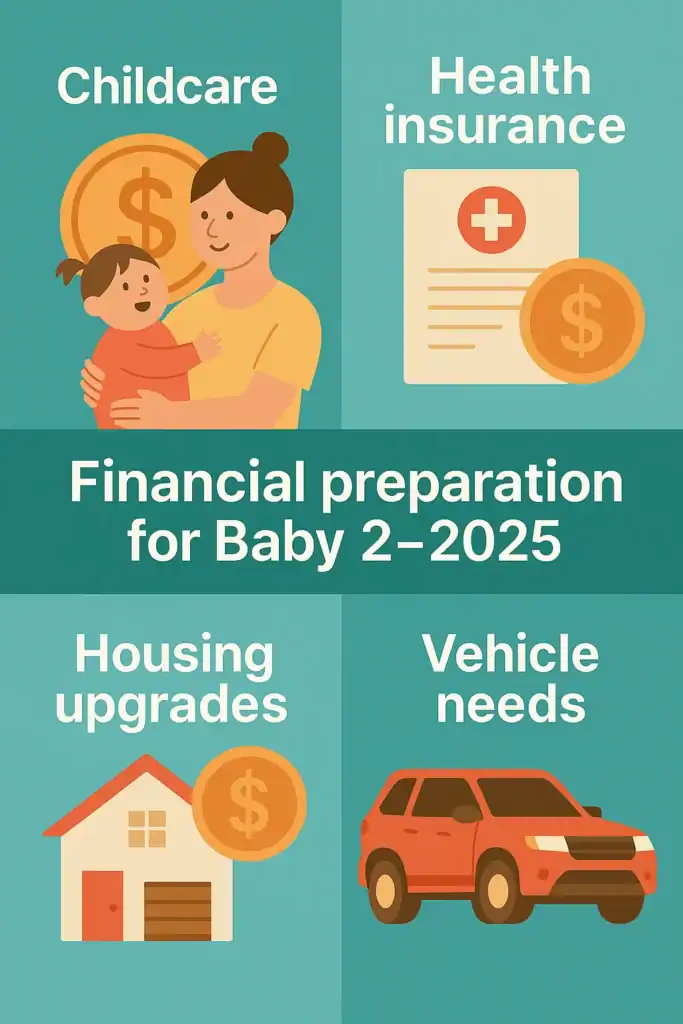
- Childcare: This is often the biggest expense. Adding a sibling can double your daycare bill unless you qualify for a family discount or opt for a nanny-share.
- Health insurance: Adding dependents increases your monthly premium and potential out-of-pocket costs.
- Housing upgrades: Suddenly, that two-bedroom might feel snug. Moving to a larger place could impact your mortgage, rent, and utilities.
- Vehicle needs: Fitting three car seats across a sedan? Good luck. Many families find themselves upgrading to a larger car—but that often comes with a larger payment.
The Hidden Savings of “Already Been There”
Not everything is more expensive with a second child. In fact, some costs drop if you’re strategic:
- Reusing gear: Cribs, strollers, swings, and clothes can be reused—especially if you planned ahead with gender-neutral items.
- Less trial-and-error: First-time parents often overspend on gadgets and gear that never get used. You know what worked and what didn’t.
- Hand-me-down hacks: Older siblings’ clothes, books, and toys can carry younger siblings through multiple stages.
Pro tip: Make sure gear still meets current safety standards. Check expiration dates on car seats and recalls through the Consumer Product Safety Commission.
Budget Tweaks to Make Before Baby Arrives
Planning ahead pays off—literally. Here’s how to prepare your finances for growing your family:
- Review your health plan
Understand your prenatal and delivery coverage, and adjust your HSA/FSA contributions if needed. If you haven’t hit your deductible yet this year, now’s the time to plan ahead. - Update your budget
Factor in extra diapers, food, childcare, and out-of-pocket medical expenses. Use tools like EveryDollar or YNAB to visualize your monthly flow. - Check your leave benefits
Can you or your partner take paid time off after birth? Review your company’s parental leave policy and decide how much unpaid leave you can afford, if needed. - Revisit your emergency fund
Financial advisors recommend 3–6 months of living expenses saved. With more kids comes more unpredictability—so aim for the higher end of that range. - Update your life insurance and will
If you already have these, great. If not, now is the time. Services like Policygenius can help you shop for affordable term life policies with minimal fuss.
Sibling Planning: Financial and Emotional Balance
Adding a child isn’t just about stretching dollars—it’s about sharing time, energy, and resources. Despite having experience, it’s still important to financially prepare for baby number 2. Consider:
- Will your older child need to switch preschools or sports schedules to accommodate the new baby?
- Are you prepared for double the diapers or overlapping nap schedules?
While there’s no price tag on sibling bonding, giving your older kids a smooth transition can sometimes mean investing in a few comforts—like a “big sibling” gift or childcare help during the early weeks.
Final Thoughts: More Kids, More Love (and a Bit More Budgeting)
Yes, another baby changes your financial picture. But you’ve done it once before—and this time, you’ve got the wisdom to go with the wipes. With smart prep, reused gear, and a few tweaks to your budget, baby #2 or #3 can be just as magical—without doubling your money stress.

Lena Carter is a contributing writer for The Daily Well, focusing on practical routines, family systems, and everyday strategies for modern households. With experience managing the demands of a busy home and balancing the realities of modern family life, her work centers on simple, sustainable approaches that reduce stress and create more stability in the day-to-day.
Her writing explores parenting routines, household organization, emotional overwhelm, and the small systems that help families function more smoothly in real life — not just in theory.



