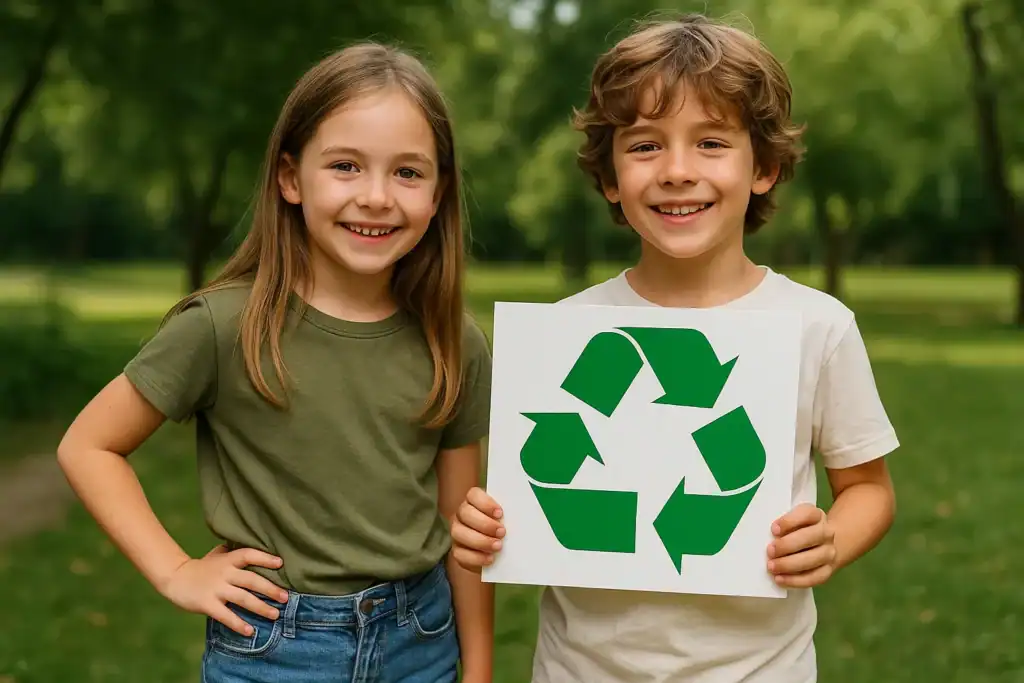
If you’ve ever been side-eyed by your 8-year-old for throwing a banana peel in the trash instead of the compost bin, congratulations—you’re raising the next generation of eco-activists. Welcome to eco-conscious parenting, 2025-style, where your kid might know more about microplastics than your high school chemistry teacher ever did.
More and more families are shifting toward sustainability—not just because it’s trendy, but because their children are demanding it. And parents…are listening.
What Is Eco-Conscious Parenting?
At its core, eco-conscious parenting is about raising environmentally aware children while making daily household choices that reduce waste, conserve resources, and support the planet. It’s not about perfection—it’s about teaching responsibility, mindfulness, and interconnectedness.
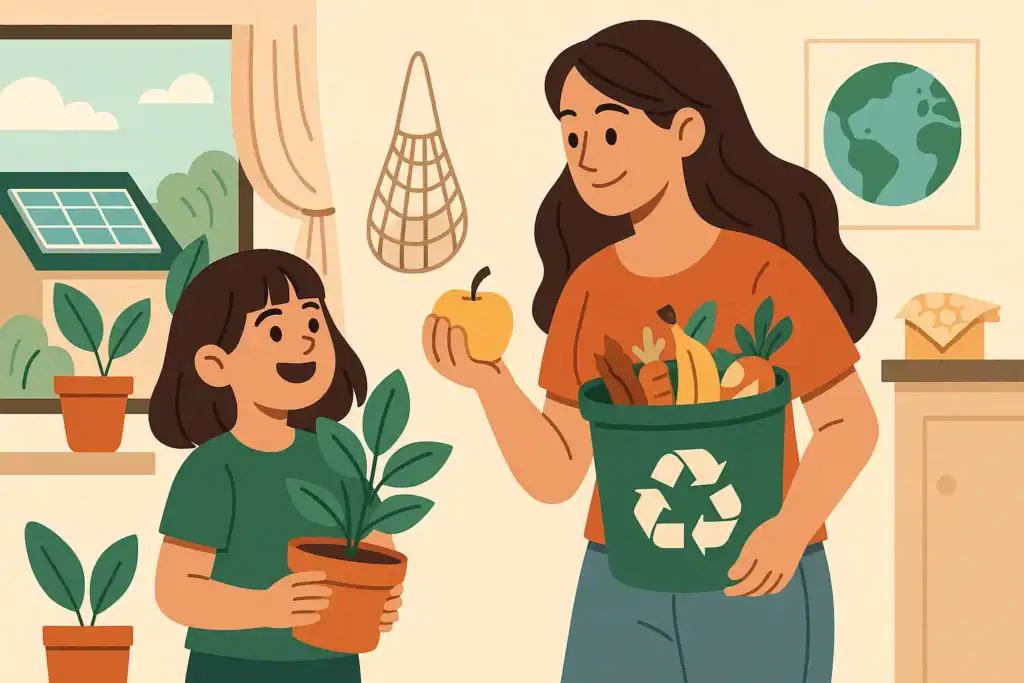
In 2025, this includes everything from sustainable diaper swaps to school lunches packed in beeswax wraps, to kids lobbying to switch the family to solar.
And make no mistake—this isn’t just crunchy coastal mom stuff anymore. It’s mainstream, and it’s powered by kids who are watching climate news on YouTube and asking the hard questions at dinner.
Why It’s Trending Now
Three big forces are driving the rise in eco-conscious parenting:
1. Gen Alpha Is Dialed In
These kids are growing up in climate crisis mode. They’re learning about wildfires, ocean pollution, and biodiversity collapse in elementary school. They’re also tech-savvy and socially aware, which means they know how to connect the dots between what happens in the world and what happens in their home.
2. Parents Are Over Plastic
With microplastics found in bloodstreams, breastmilk, and bottled water, many parents are rethinking their everyday items—from sippy cups to shampoo. Sites like EWG’s Skin Deep help parents find safer, cleaner alternatives to personal care products, while others are ditching disposable everything in favor of long-lasting basics.
3. Brands Are Finally Catching Up
In response to consumer demand, more companies are offering eco-friendly baby gear, refillable cleaning products, and low-waste lifestyle tools that aren’t hideous or inconvenient. Think bamboo toothbrushes that don’t feel like driftwood and laundry sheets that work better than pods.
What Eco-Conscious Parenting Looks Like in Real Life
It’s not about homesteading off-grid or raising free-range children on a compost pile. It’s about intentional choices that align with both values and real life.
Reusable Over Disposable
Parents are switching to cloth diapers (like the GroVia Hybrid), silicone snack bags, and refillable water bottles for kids instead of juice boxes. Even birthday parties are going green with compostable plates and no plastic goody bags in sight.
Low-Waste Lunches
Instead of plastic wrap and paper bags, families are using stainless steel bento boxes (like these), beeswax wraps, and cloth napkins. It’s not just good for the earth—it’s also way cuter (and surprisingly easier to clean).
Eco-Education as a Core Value
Many eco-conscious parents build in daily lessons about sustainability. Whether it’s reading books like We Are Water Protectors or growing food in the backyard, the goal is to make environmental stewardship a part of identity, not just a chore.
Secondhand as First Choice
Today’s eco-minded families aren’t ashamed of hand-me-downs—they’re proud of them! Sites like ThredUp and local Buy Nothing groups are gold mines for gently used gear, clothing, and toys. Kids are even getting in on the action, hosting clothing and toy swaps, and upcycling their own stuff.

Home Habits That Matter
From using Blueland or Dropps refillable cleaning products to switching to biodegradable sponges and bulk shampoo, many parents are rethinking the products that pile up in landfills. And yes—your five-year-old might now lecture guests about turning off lights.
The Big Bonus: It’s Character-Building
Teaching kids to be eco-conscious isn’t just about saving the planet. It teaches:
- Delayed gratification (no, you don’t need that new toy shipped overnight)
- Gratitude for resources (we only have one Earth, after all)
- Community-minded thinking (their actions affect others)
- Problem-solving (how can we reuse this instead of throwing it away?)
It’s environmentalism with a side of values-based life skills.
You Don’t Have to Go All In
No one’s saying you need to solar-power your stroller or start weaving your own paper towels. The key to successful eco-conscious parenting is progress, not perfection. Pick one swap. One conversation. One habit.
Let your kids help lead. Odds are, they already want to.

Lena Carter is a contributing writer for The Daily Well, focusing on practical routines, family systems, and everyday strategies for modern households. With experience managing the demands of a busy home and balancing the realities of modern family life, her work centers on simple, sustainable approaches that reduce stress and create more stability in the day-to-day.
Her writing explores parenting routines, household organization, emotional overwhelm, and the small systems that help families function more smoothly in real life — not just in theory.